


Top 7 Famous Temples in Varanasi You Can’t Miss
Complete Spiritual, Historical & Travel Guide to Kashi
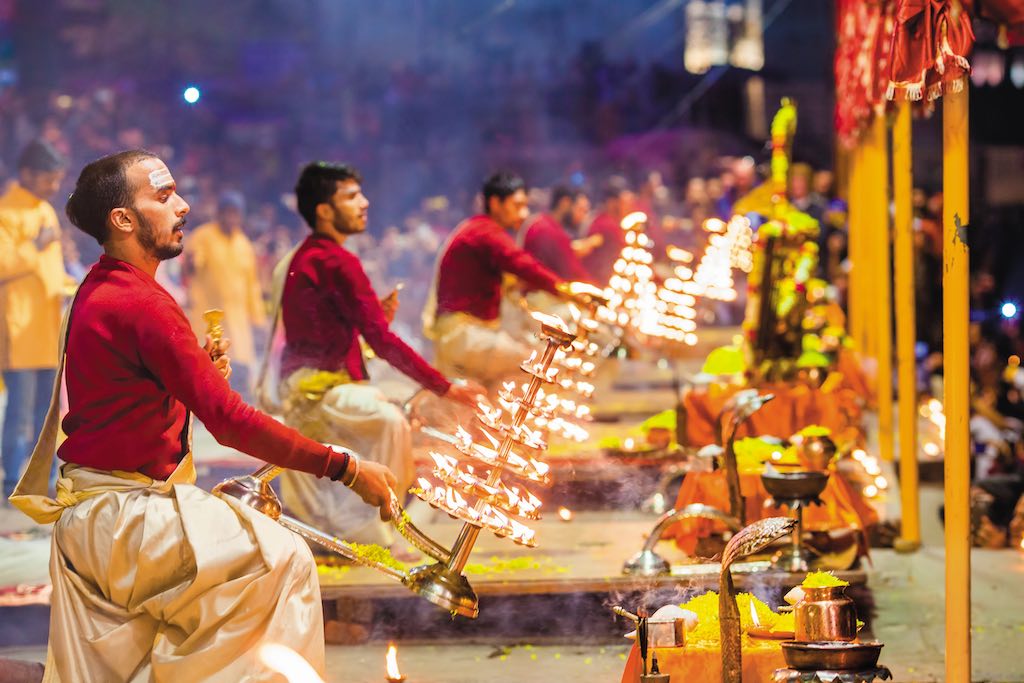

Famous Temples in Varanasi represent the living soul of Hindu civilization. Varanasi—also known as Kashi and Banaras—is not just a city; it is a tirtha, a sacred crossing between the physical and the spiritual worlds.
According to ancient Hindu scriptures, Kashi was never destroyed, even during cosmic dissolution (Pralaya). It is believed that Lord Shiva himself whispers the Taraka Mantra into the ears of devotees at the time of death, granting liberation (moksha).
This makes Varanasi the most powerful spiritual destination in India, attracting saints, scholars, pilgrims, and seekers from across the world.
Why Varanasi Holds Supreme Importance in Hinduism
- One of the seven Moksha Puris (cities of liberation)
- Seat of Shaivism, Shaktism, Vaishnavism, and Bhakti movement
- Mentioned in Rig Veda, Skanda Purana, Kashi Khanda
- Home to 84 ghats, each with ritual significance
- Continuous cycle of aarti, yajna, japa, and sadhana
Authoritative references:
🔗 https://www.incredibleindia.org (Government of India)
🔗 https://uptourism.gov.in (Uttar Pradesh Tourism – Official)
Top 7 Famous Temples in Varanasi (In-Depth Guide)
1. Kashi Vishwanath Temple
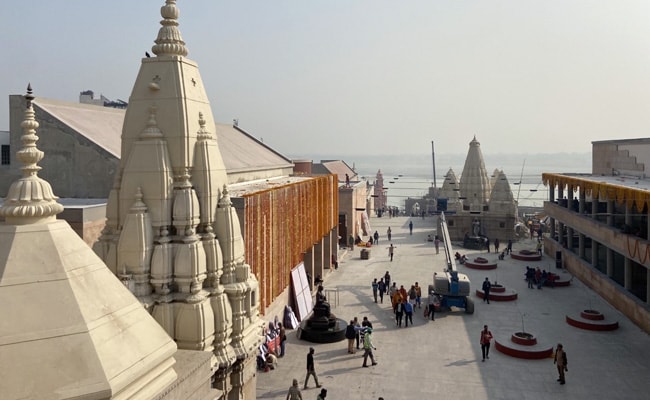

The Kashi Vishwanath Temple is the spiritual nucleus of Varanasi and one of the 12 Jyotirlingas of Lord Shiva. The word Vishwanath means Lord of the Universe.
Spiritual & Scriptural Importance
- Mentioned extensively in Skanda Purana
- Considered the most powerful place for moksha
- Pilgrimage incomplete without Vishwanath darshan
Architectural & Historical Facts
- Rebuilt in 1780 by Rani Ahilyabai Holkar
- Gold-plated spire donated by Maharaja Ranjit Singh
- Corridor connects directly to Ganga ghats
Timings: 3:00 AM – 11:00 PM
Best Darshan: Mangala Aarti (3–4 AM)
Festivals: Shravan, Mahashivratri, Dev Deepawali
Location: Vishwanath Gali, near Dashashwamedh Ghat
2. Durga Kund Temple – Complete & In-Depth Guide
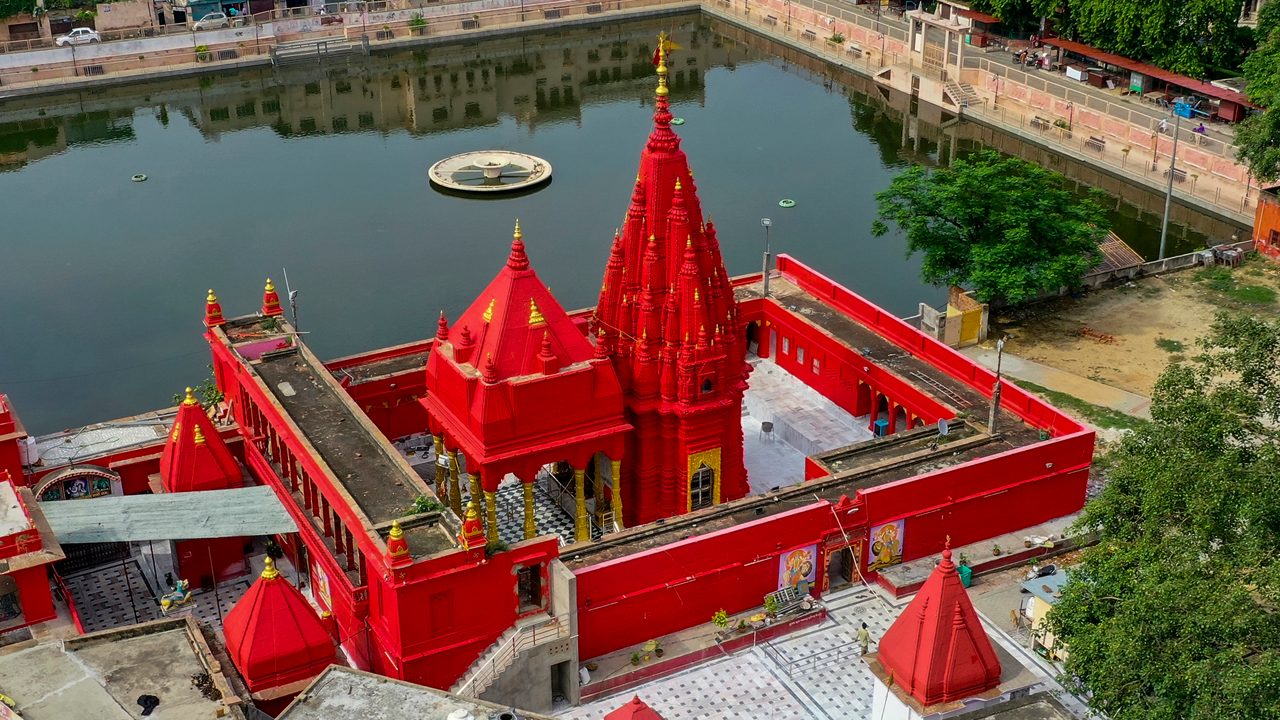

The Durga Kund Temple is one of the most powerful Shakti temples in Varanasi, deeply associated with protection, divine feminine energy, and the spiritual safeguarding of Kashi. Dedicated to Goddess Durga, the temple holds immense religious, historical, architectural, and mythological importance.
Located in Bhelupur, near Banaras Hindu University (BHU), this temple is not only a place of worship but also a center of Shakti Sadhana and ancient belief systems.
Spiritual Significance of Durga Kund Temple
Durga Kund Temple is believed to be the place where Goddess Durga herself manifested to protect the city of Kashi. According to local legends and Shakti traditions:
-
Goddess Durga is considered the eternal guardian of Varanasi
-
The idol is believed to be Swayambhu (self-manifested), not sculpted by humans
-
The temple represents Shakti (cosmic feminine power) that balances Lord Shiva’s energy in Kashi
It is believed that negative energies, evil forces, and misfortunes are destroyed by the presence of Maa Durga here.
Mythological Importance (Scriptural Beliefs)
According to regional Puranic beliefs and oral traditions:
-
When demons threatened the sacred land of Kashi, Goddess Durga appeared here to protect it
-
She chose this place as her permanent seat to guard devotees and the city
-
Worshipping here is believed to remove fear, diseases, planetary doshas, and unseen obstacles
Many devotees visit this temple to:
-
Seek protection from enemies
-
Overcome health issues
-
Gain inner strength and courage
Architectural Beauty & Design
The Durga Kund Temple is a classic example of North Indian Nagara-style architecture.
Key Architectural Highlights
-
Bright red-colored structure, symbolizing Shakti and power
-
Multiple shikharas (spires) rising above the sanctum
-
Intricately carved stone work reflecting medieval craftsmanship
-
The temple is elevated on a platform, enhancing its grandeur
The red color is symbolic of Durga’s warrior form, associated with courage, bloodline, and protection.
The Sacred Durga Kund (Holy Pond)
One of the most defining features of the temple is the Durga Kund, a rectangular water pond situated beside the shrine.
Importance of Durga Kund
-
Considered highly auspicious
-
Believed to be once connected to the River Ganga
-
Ritual baths here were traditionally performed before worship
-
The kund represents cosmic water (jal tattva) in Shakti worship
Even today, devotees bow to the kund as part of their spiritual routine.
Festivals & Celebrations at Durga Kund Temple
Navratri – The Grand Festival
Durga Kund Temple becomes one of the most vibrant spiritual centers in Varanasi during Navratri.
During Navratri:
-
Thousands of devotees visit daily
-
Continuous chanting of Durga Saptashati
-
Special aartis, havans, and bhog offerings
-
Entire area resonates with divine energy
Other Important Occasions
-
Durga Ashtami
-
Vijayadashami
-
Fridays (considered highly auspicious for Goddess Durga)
Temple Timings & Entry Information
Temple Timings
-
Morning: 5:00 AM – 12:00 PM
-
Evening: 4:00 PM – 11:00 PM
Entry Fee: Free
Photography: Not allowed inside the sanctum
Best Time to Visit Durga Kund Temple
-
Early morning for peaceful darshan
-
Navratri (Sept–Oct) for spiritual vibrancy
-
October to February for pleasant weather
Avoid peak afternoon hours during festivals due to heavy crowds.
Rituals & Offerings at Durga Kund
Devotees commonly offer:
-
Red flowers
-
Coconut
-
Sindoor
-
Chunni (red cloth)
-
Sweets and fruits
Special Shakti pujas are performed for:
-
Protection from negativity
-
Marriage obstacles
-
Health and prosperity
Travel Tips for Devotees & Tourists
-
Dress modestly and traditionally
-
Keep belongings minimal
-
Avoid photography inside
-
Visit nearby temples like Tulsi Manas Temple and Sankat Mochan Temple
-
Hiring a local Varanasi guide or pandit enhances understanding of rituals and legends
Location & How to Reach
Location: Durga Kund, Bhelupur, Varanasi
Nearby Landmarks:
-
Banaras Hindu University (BHU)
-
Assi Ghat
-
Tulsi Manas Temple
The temple is easily accessible by auto, taxi, or cycle rickshaw.
Why Durga Kund Temple Is a Must-Visit in Varanasi
-
One of the strongest Shakti centers in North India
-
Combines mythology, architecture, and spiritual energy
-
Deeply connected to Kashi’s divine protection system
-
Offers peace, strength, and emotional balance
3. Sankat Mochan Hanuman Temple – Complete Spiritual, Historical & Ritual Guide


The Sankat Mochan Hanuman Temple is one of the most spiritually powerful and emotionally uplifting temples in Varanasi. Dedicated to Lord Hanuman, the eternal devotee of Lord Rama, this temple is revered as a place where troubles (sankat), fear, illness, and mental stress are relieved.
The phrase Sankat Mochan literally means “the remover of obstacles and sufferings”, making this temple especially significant for devotees facing personal, professional, health, or planetary challenges.
Origin & Historical Significance
The temple was established in the 16th century by Goswami Tulsidas, the legendary poet-saint who authored the Ramcharitmanas. According to tradition:
-
Tulsidas had a divine vision of Lord Hanuman at this very spot
-
The temple was built exactly where Hanuman revealed himself
-
It is believed that Hanuman continues to protect devotees here
Unlike many grand temples, Sankat Mochan has a simple, humble structure, reflecting Hanuman’s nature of devotion, humility, and strength.
Spiritual Importance of Sankat Mochan Temple
This temple holds exceptional importance in Hanuman Bhakti and Ram Bhakti traditions.
Devotees believe:
-
Worship here removes fear, anxiety, depression, and negativity
-
Hanuman grants courage, clarity of mind, and protection
-
Regular visits help reduce planetary afflictions, especially Saturn (Shani), Mars (Mangal), and Rahu-Ketu effects
Many devotees visit Sankat Mochan before important life events such as:
-
Exams and interviews
-
Court cases
-
Business decisions
-
Health recovery
-
Marriage and childbirth
Idol & Unique Temple Features
-
The idol of Lord Hanuman is not heavily ornamented, symbolizing simplicity
-
The deity is always adorned with marigold flowers and vermilion (sindoor)
-
The temple is famous for the presence of monkeys, regarded as Hanuman’s messengers
-
Feeding monkeys is considered auspicious, though visitors are advised to be cautious
The atmosphere inside the temple is charged with constant chanting of the Hanuman Chalisa, creating a powerful spiritual vibration.
Rituals, Offerings & Devotional Practices
Most Common Offerings
-
Besan laddoo (most sacred prasad)
-
Jaggery and bananas
-
Red cloth and sindoor
-
Tulsi leaves and flowers
Popular Rituals
-
Hanuman Chalisa recitation (especially 7 or 11 times)
-
Sundarkand Path
-
Sankat Mochan special puja for obstacle removal
Auspicious Days
-
Tuesday and Saturday (peak devotion)
-
Hanuman Jayanti
-
Navratri period
Sankat Mochan Sangeet Samaroh (Cultural Importance)
One of the temple’s most unique contributions is the Sankat Mochan Sangeet Samaroh, an annual classical music festival held since 1923.
Key highlights:
-
Dedicated to Lord Hanuman
-
Features India’s top classical vocalists and instrumentalists
-
Combines bhakti, classical art, and spiritual discipline
This event has made the temple not only a religious site but also a global cultural landmark.
Temple Timings & Best Time to Visit
Timings
-
Morning: 5:00 AM – 12:00 PM
-
Evening: 4:00 PM – 10:00 PM
Best Time to Visit
-
Early morning on Tuesdays
-
Saturdays during evening aarti
-
During Hanuman Jayanti for divine energy
Recommended Duration: 30–45 minutes for darshan and prayer
Location & Accessibility
Location: Durgakund Road, near Assi Ghat and Banaras Hindu University (BHU)
-
Easily accessible by auto, taxi, or walking from Assi Ghat
-
Often included in southern Varanasi temple circuits
Travel Tips for Devotees
-
Beware of monkeys; keep food covered
-
Avoid carrying loose items
-
Photography is generally restricted inside
-
Maintain silence during chanting
For deeper understanding, a local Varanasi guide or pandit can explain the temple’s legends, rituals, and correct puja procedures.
Who Should Visit Sankat Mochan Temple?
This temple is especially recommended for:
-
People facing repeated obstacles or delays
-
Students and professionals under stress
-
Devotees affected by Shani or Mangal dosha
-
Anyone seeking courage, peace, and devotion
The Sankat Mochan Hanuman Temple in Varanasi is a sacred shrine founded by Tulsidas, dedicated to Lord Hanuman, the remover of obstacles. Known for Hanuman Chalisa chanting, stress relief, and divine protection, it is one of the most powerful spiritual temples in Kashi.
4. Kaal Bhairav Temple – Complete Spiritual, Tantric & Historical Guide


The Kaal Bhairav Temple in Varanasi is one of the most powerful and intense spiritual centers in India. Dedicated to Kaal Bhairav, the fierce manifestation of Lord Shiva, this temple holds a unique position in Hindu belief as the Kotwal (guardian and protector) of Kashi.
It is widely believed that no one can enter, stay in, or leave Varanasi without the permission of Kaal Bhairav. For this reason, every spiritual journey in Kashi is considered incomplete without visiting this temple.
Origin & Mythological Significance
According to Shaiva scriptures and Kashi Khanda, Kaal Bhairav was created by Lord Shiva to destroy arrogance and protect cosmic order.
Key legends state:
-
Bhairav emerged to punish Lord Brahma’s ego
-
Shiva appointed Bhairav as the eternal guardian of Kashi
-
Even gods must seek Bhairav’s permission to reside in the city
This belief is so deeply rooted that locals say Kashi itself functions under Bhairav’s command, making this temple spiritually indispensable.
Who Is Kaal Bhairav?
Kaal Bhairav represents:
-
Time (Kaal) – controller of birth and death
-
Fearlessness – destroyer of fear and ignorance
-
Justice & Protection – punisher of wrongdoing
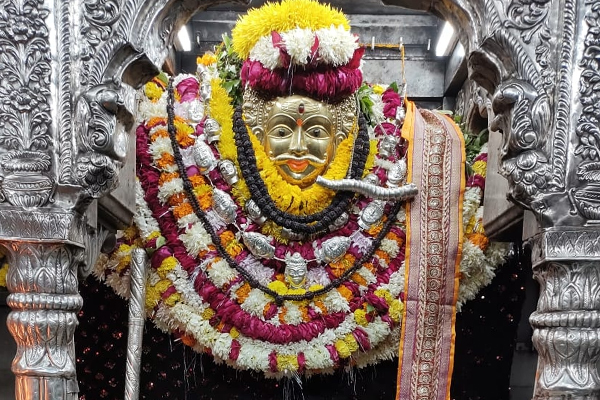
He is often depicted with:
-
A terrifying form
-
A garland of skulls (symbolizing ego destruction)
-
A trident and drum
- A dog as his vehicle (symbol of vigilance and loyalty)

Spiritual Importance of Kaal Bhairav Temple
Devotees visit this temple to:
-
Remove fear, negativity, black magic, and evil eye
-
Overcome legal issues, enemies, and injustice
-
Gain courage, discipline, and spiritual strength
-
Seek protection during major life transitions
Astrologically, worship of Kaal Bhairav is considered highly effective for:
-
Shani dosha (Saturn afflictions)
-
Rahu–Ketu problems
-
Sudden obstacles and delays
Unique Rituals & Offerings (Rare in Hindu Temples)
The Kaal Bhairav Temple is famous for its Tantric and Shaiva rituals, which differ from conventional temples.
Common Offerings
-
Black cloth
-
Mustard oil
-
Flowers
-
Udad dal
-
Coconut
Special Belief
-
Oil offered to Bhairav is believed to cure dog bites and skin ailments
-
Symbolic liquor offering is associated with tantric tradition (managed by priests)
These offerings symbolize detachment from fear, ego, and social conditioning.
Festivals & Auspicious Occasions
Kaal Bhairav Ashtami (Nov–Dec)
-
Most important festival
-
Celebrates Bhairav’s manifestation
-
Massive turnout of devotees and tantriks
Other Auspicious Times
-
Amavasya (New Moon)
-
Saturdays
-
During Shravan month
Temple Timings & Darshan Details
Timings
-
Morning: 5:00 AM – 1:30 PM
-
Evening: 4:30 PM – 9:30 PM
Best Time to Visit
-
Early morning for peaceful darshan
-
Evening for intense spiritual energy
Recommended Duration: 20–30 minutes
Location & Accessibility
Location: Visheshwarganj Road, near Kotwali, Varanasi
-
Situated in narrow ancient lanes, adding to its mystic aura
-
Easily accessible by walking from Kashi Vishwanath area
-
Autos available up to nearby junctions
Travel Tips for Devotees
-
Wear modest, comfortable clothing
-
Expect narrow lanes and crowds
-
Photography is usually restricted
-
Follow priest instructions carefully during offerings
For deeper understanding, a local Varanasi pandit or guide can explain tantric symbolism and correct worship methods.
Who Should Visit Kaal Bhairav Temple?
This temple is especially recommended for:
-
Spiritual seekers interested in Shaiva and tantric paths
-
People facing fear, injustice, or repeated obstacles
-
Devotees with strong Saturn or Rahu-Ketu influence
-
Pilgrims completing a Kashi yatra
The Kaal Bhairav Temple in Varanasi is dedicated to the fierce form of Lord Shiva, known as the guardian of Kashi. Believed to control entry and exit from the city, the temple is visited for protection, fear removal, and relief from negative energies. Worship here is essential to completing a Kashi pilgrimage.
5. Annapurna Devi Temple – Complete Spiritual, Mythological & Ritual Guide
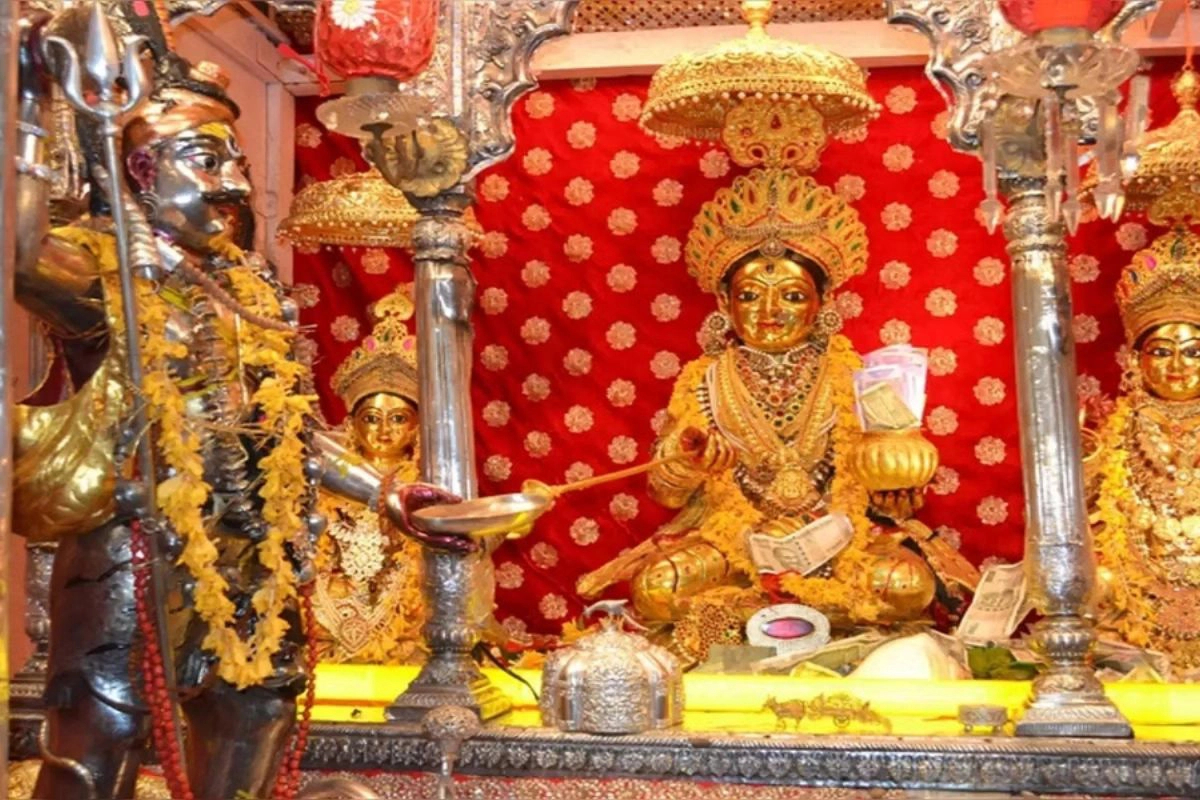

The Annapurna Devi Temple in Varanasi is one of the most spiritually nurturing temples in Kashi, dedicated to Goddess Annapurna, the divine provider of food, nourishment, and abundance. The name Annapurna literally means “the one who is complete with food” (Anna = food, Purna = complete).
This sacred temple stands as a powerful reminder that no spiritual journey is complete without nourishment, making it unique among the famous temples of Varanasi.
Mythological Significance of Annapurna Devi Temple
According to Hindu scriptures, the origin of this temple is rooted in a profound spiritual dialogue between Lord Shiva and Goddess Parvati.
Legend from the Skanda Purana & Kashi Khanda
-
Lord Shiva once stated that the material world is an illusion (Maya)
-
To demonstrate the importance of sustenance, Goddess Parvati disappeared
-
As food vanished from the world, life came to a standstill
-
Goddess Parvati reappeared as Annapurna Devi, distributing food to all beings
-
Lord Shiva accepted alms from her, affirming that without food, even spirituality cannot survive
This divine episode makes the Annapurna Devi Temple a symbol of balance between asceticism and sustenance.
Spiritual Importance & Beliefs
Devotees believe that:
-
No one leaves the Annapurna Devi Temple hungry
-
Worship here ensures abundance, prosperity, and household harmony
-
Offering food or grains removes poverty and scarcity
-
The Goddess blesses devotees with physical nourishment and inner fulfillment
For this reason, Annapurna Devi is worshipped not only as a goddess, but as a cosmic mother who sustains life itself.
Architecture & Idol Details
-
The temple follows Nagara-style architecture
-
Built in 1729 by Peshwa Baji Rao I of the Maratha Empire
-
The main idol is made of brass and remains visible daily
-
A gold idol of Goddess Annapurna is displayed only once a year during Annakut
Iconography
-
Goddess Annapurna holds a ladle and a bowl of food
-
Lord Shiva stands before her, receiving alms
-
Symbolizes humility, compassion, and divine nourishment
Rituals, Offerings & Puja Practices
Most Auspicious Offerings
-
Rice, wheat, lentils, and grains
-
Cooked food (annadan)
-
Sweets and fruits
-
Ghee and jaggery
Popular Rituals
-
Annapurna Puja for prosperity
-
Annadan (food donation)
-
Special prayers for financial stability and family well-being
Devotees strongly believe that Annadan (food donation) performed here grants blessings equivalent to major yajnas.
Annakut Festival – The Grand Celebration
The most important festival of the Annapurna Devi Temple is Annakut, celebrated one day before Diwali.
Festival Highlights
-
Gold idol of Goddess Annapurna is revealed
-
Mountains of food offerings arranged before the deity
-
Symbolizes gratitude towards the Goddess for sustenance
-
Thousands of devotees participate in Annadan
This festival transforms the temple into one of the most spiritually vibrant places in Varanasi.
Temple Timings & Best Time to Visit
Temple Timings
-
Morning: 4:00 AM – 12:00 PM
-
Evening: 2:00 PM – 11:00 PM
Best Time to Visit
-
Early morning hours for peaceful darshan
-
During Annakut festival (Oct–Nov)
-
After Kashi Vishwanath darshan, as part of traditional temple sequence
Recommended Visit Duration: 20–30 minutes
Location & Temple Circuit Importance
Location: Vishwanath Gali, adjacent to Kashi Vishwanath Temple
The Annapurna Devi Temple is traditionally visited:
-
After Kashi Vishwanath darshan
-
Before concluding the Kashi pilgrimage
-
As part of Vishwanath–Annapurna sacred circuit
This sequence reflects the belief that Shiva’s blessings are fulfilled only after receiving Annapurna’s nourishment.
Who Should Visit Annapurna Devi Temple?
This temple is especially recommended for:
-
Families seeking prosperity and stability
-
People facing financial struggles
-
Devotees performing Annadan
-
Spiritual seekers understanding balance between renunciation and life
Travel & Devotee Tips
-
Do not miss the prasad; it is considered extremely auspicious
-
Maintain cleanliness and discipline inside temple premises
-
Avoid peak hours during Shravan and Diwali week
-
A knowledgeable pandit can guide correct offerings and puja
The Annapurna Devi Temple in Varanasi is dedicated to Goddess Annapurna, the provider of food and nourishment. Built by Peshwa Baji Rao, the temple symbolizes that spiritual growth is incomplete without sustenance. Devotees believe that worship here ensures abundance and that no one leaves the temple hungry.
6. Tulsi Manas Temple – Complete History, Spiritual Meaning & Visitor Guide
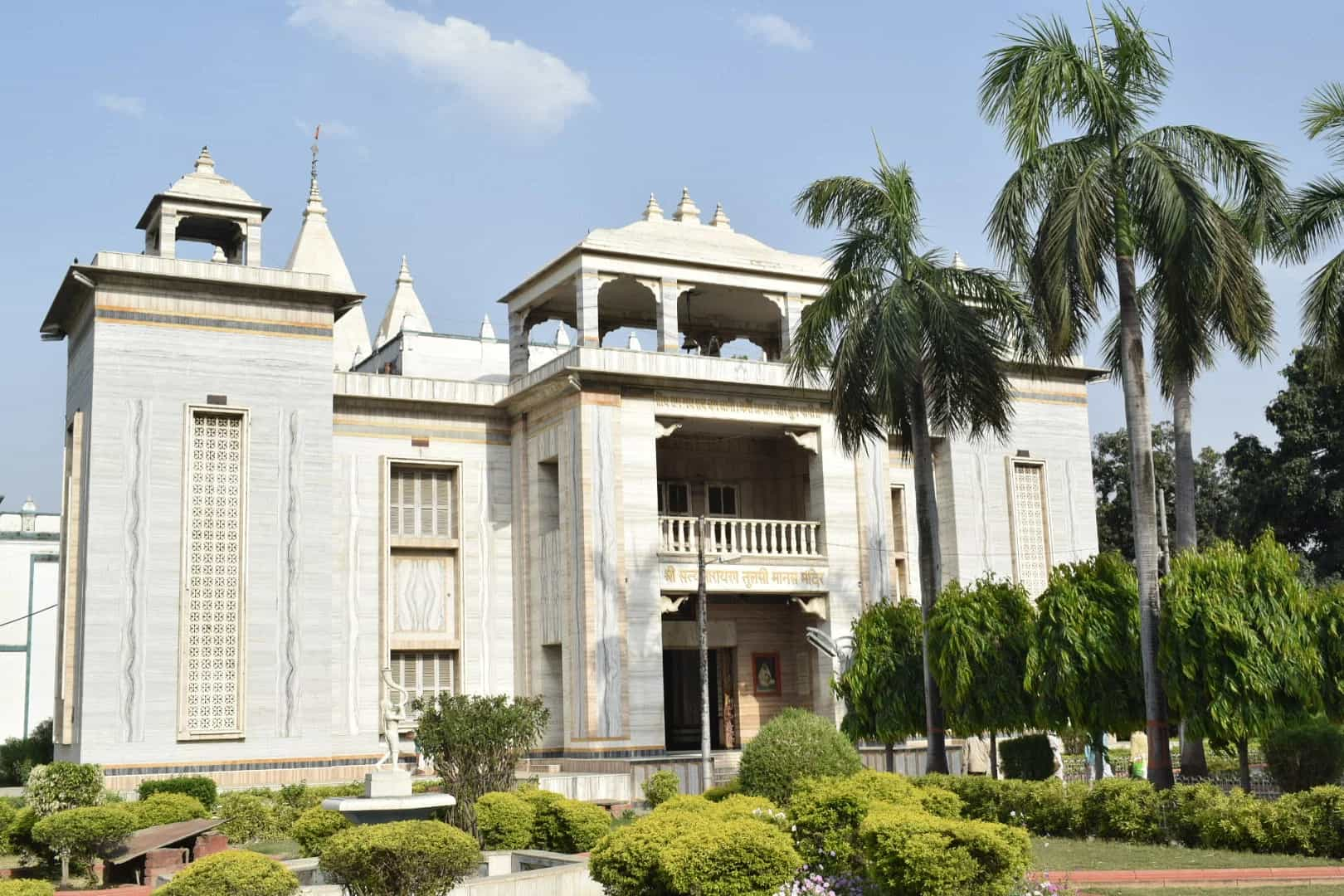

The Tulsi Manas Temple is one of the most culturally and spiritually significant temples in Varanasi. Unlike most temples dedicated to deity worship alone, this sacred site celebrates devotion through literature, marking the place where Goswami Tulsidas composed the Ramcharitmanas in the 16th century.
This temple stands as a bridge between bhakti (devotion), philosophy, language, and culture, making it a must-visit destination for spiritual seekers, scholars, and first-time travelers to Kashi.
Historical Background & Origin
The Tulsi Manas Temple was constructed in 1964 by the Birla family, renowned patrons of religious and cultural heritage in India. The temple was built at the exact location where Saint Tulsidas meditated and authored Ramcharitmanas, the Awadhi retelling of the Ramayana.
Why Ramcharitmanas Matters
-
Made the teachings of Lord Rama accessible to common people
-
Shifted spirituality from Sanskrit scholars to the masses
-
Played a key role in the Bhakti Movement of North India
Because of this, the site is considered a literary pilgrimage center, not just a temple.
Architectural & Artistic Features
The Tulsi Manas Temple is built entirely of white marble, symbolizing purity and knowledge.
Unique Architectural Highlights
-
Walls engraved with doha, chaupai, and verses from Ramcharitmanas
-
Relief sculptures depicting scenes from Ramayana
-
Spacious courtyard ideal for meditation and recitation
-
Simple yet elegant North Indian temple design
The inscriptions allow devotees to read, reflect, and meditate, turning the temple into a living scripture rather than a silent monument.
Spiritual & Cultural Significance
Tulsi Manas Temple emphasizes Manas Bhakti—devotion through contemplation of divine stories.
Devotees believe:
-
Reading verses here brings mental peace and clarity
-
Regular visits strengthen Ram Bhakti and moral discipline
-
The temple promotes values of dharma, truth, compassion, and duty
It is especially meaningful for:
-
Followers of Lord Rama
-
Students of Hindu philosophy and literature
-
Devotees interested in Bhajan, Katha, and Ramleela traditions
Daily Activities, Bhajans & Events
Unlike ritual-heavy temples, Tulsi Manas Temple focuses on spiritual learning and devotion through sound and word.
Common Activities
-
Ramcharitmanas path
-
Evening bhajans and kirtans
-
Ram Katha discourses
-
Cultural and spiritual gatherings
The evenings are particularly serene, with soft devotional music creating a deeply meditative atmosphere.
Temple Timings & Best Time to Visit
Temple Timings
-
Morning: 5:30 AM – 12:00 PM
-
Evening: 3:30 PM – 9:00 PM
Best Time to Visit
-
Early mornings for silent reading and reflection
-
Evenings for bhajans and spiritual discourse
-
During Ram Navami, when special recitations take place
Suggested Visit Duration: 30–60 minutes
Location & Nearby Attractions
Location: Durga Kund Road, Varanasi
Nearby Places
-
Durga Kund Temple
-
Sankat Mochan Hanuman Temple
-
Banaras Hindu University (BHU)
This makes Tulsi Manas Temple a key stop in the southern Varanasi temple circuit, ideal for half-day spiritual tours.
Travel Tips for Visitors
-
Carry a camera for exterior shots (interior photography may be restricted)
-
Maintain silence inside reading areas
-
Remove footwear before entering the temple complex
-
A local guide can explain the meanings of engraved verses
For deeper engagement, devotees often combine this visit with Ram Naam japa or Ramcharitmanas reading.
Who Should Visit Tulsi Manas Temple?
This temple is highly recommended for:
-
Devotees of Lord Rama
-
Spiritual beginners seeking peaceful environments
-
Literature and history enthusiasts
-
Families and senior citizens
-
Visitors interested in cultural spirituality rather than ritual intensity
The Tulsi Manas Temple in Varanasi marks the sacred site where Goswami Tulsidas composed Ramcharitmanas. Built in white marble, the temple features engraved verses from the epic, offering a serene space for devotion, reflection, and cultural learning. It is a unique blend of spirituality and literature in Kashi.
7. Bharat Mata Temple – Complete History, Meaning & Cultural Importance
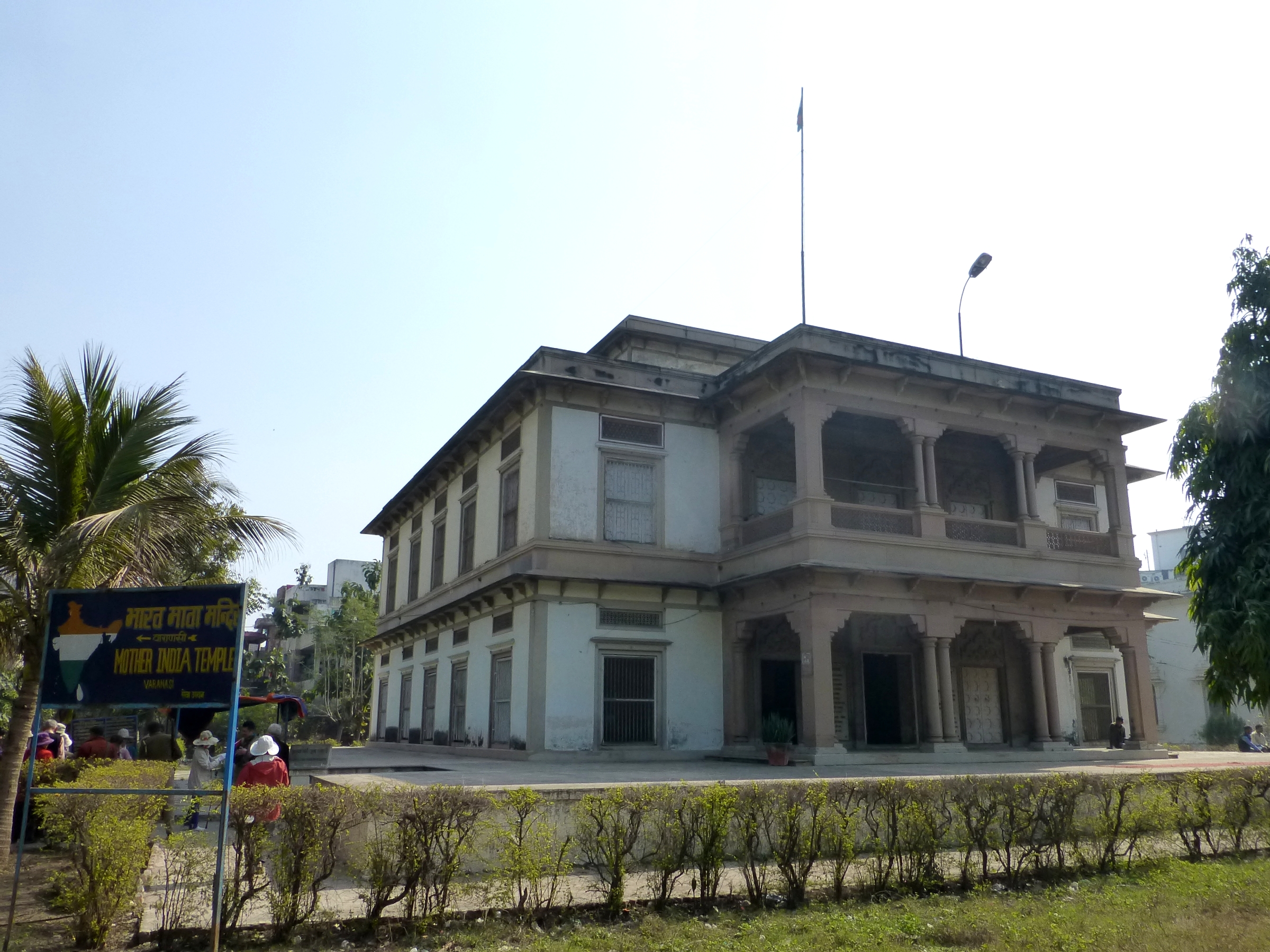

The Bharat Mata Temple in Varanasi is one of the most unique temples in the world, as it is not dedicated to any Hindu god or goddess. Instead, it is devoted to Bharat Mata (Mother India)—symbolizing national unity, cultural harmony, and devotion to the motherland.
Unlike traditional temples focused on ritual worship, this temple represents patriotism as spirituality, making it an exceptional landmark in Varanasi’s sacred landscape.
Historical Background & Inauguration
The Bharat Mata Temple was constructed in 1936 by Babu Shiv Prasad Gupta, a renowned freedom fighter and philanthropist, during India’s independence movement.
-
Inaugurated by Mahatma Gandhi
-
Built to inspire national pride and unity
-
Designed as a cultural symbol beyond religion
Mahatma Gandhi envisioned this temple as a space where all Indians—regardless of caste, creed, or religion—could come together in reverence for the nation.
The Marble Map of Undivided India (Temple’s Core Feature)
The heart of the Bharat Mata Temple is a giant three-dimensional marble relief map of undivided India, carved entirely from marble.
Key Features of the Map
-
Shows mountains, rivers, plains, oceans, and plateaus
-
Includes the Himalayas, major rivers, and coastlines
-
Represents India’s geography with remarkable accuracy
-
Stands at human eye level, encouraging contemplation
This map replaces idols and rituals, emphasizing knowledge, awareness, and unity as forms of worship.
Spiritual & Philosophical Meaning
Although non-religious in structure, the temple holds deep spiritual significance.
Core Philosophy
-
The nation is viewed as a living mother
-
Service to the country is equal to service to the divine
-
Encourages unity beyond religious boundaries
The temple promotes the idea that love for one’s land, people, and culture is a sacred duty, aligning with India’s ancient concept of Vasudhaiva Kutumbakam (the world is one family).
Architectural Simplicity & Atmosphere
-
Simple, serene architectural design
-
No bells, no priests, no rituals
-
Peaceful environment ideal for reflection
-
Clean, well-maintained premises
This simplicity distinguishes Bharat Mata Temple from other famous temples in Varanasi and appeals strongly to students, historians, and cultural travelers.
Cultural & Educational Importance
The Bharat Mata Temple is especially significant for:
-
History enthusiasts
-
Geography students
-
Freedom movement scholars
-
Cultural tourists seeking non-ritualistic spirituality
Schools and universities often include this temple in educational tours to explain India’s geography, unity, and independence movement.
Temple Timings & Visitor Information
Timings
-
9:00 AM – 8:00 PM (may vary on national holidays)
Entry Fee
-
Free for all visitors
Best Time to Visit
-
Morning hours for quiet exploration
-
National holidays for cultural significance
Recommended Visit Duration
-
20–30 minutes
Location & Accessibility
Location: Mahatma Gandhi Kashi Vidyapith Campus, Varanasi
-
Easily accessible by auto or cab
-
Located away from crowded ghats
-
Calm surroundings suitable for reflection
Who Should Visit Bharat Mata Temple?
This temple is highly recommended for:
-
Cultural and heritage travelers
-
Students and researchers
-
Families with children
-
Tourists seeking peaceful, crowd-free attractions
-
Visitors interested in India beyond religious rituals
Unique Facts About Bharat Mata Temple
-
One of the very few temples in the world dedicated to a nation
-
No idol worship, no aarti, no offerings
-
Represents unity in diversity
-
Combines patriotism with spirituality
The Bharat Mata Temple in Varanasi is a unique national shrine dedicated to Mother India. Inaugurated by Mahatma Gandhi, it features a marble relief map of undivided India and symbolizes unity, patriotism, and cultural harmony beyond religious boundaries.
Pro Tip for Travelers
Combine your visit to Bharat Mata Temple with:
-
Kashi Vidyapith campus walk
-
Nearby museums or cultural centers
-
Southern Varanasi heritage circuit
Best Time to Visit Varanasi Temples
- October–February: Best weather
- Shravan Month: Highest spiritual energy
- Dev Deepawali: Temples & ghats illuminated
Why Devotees Trust Panditji On Way
- India’s largest online puja booking platform
- Authentic Vedic rituals
- Experienced pandits across India & abroad
- No advance payment
👉 Book Pandit or Puja Online:
🔗 https://www.panditjionway.com (Panditji on way)
Frequently Asked Questions – Famous Temples in Varanasi
Which is the most famous temple in Varanasi?
The Kashi Vishwanath Temple is the most famous temple in Varanasi. It is one of the 12 Jyotirlingas of Lord Shiva and is believed to grant moksha (liberation). Millions of devotees visit the temple every year for darshan and Rudrabhishek.
Why is Varanasi considered the holiest city in India?
Varanasi is considered the holiest city because it is one of the seven Moksha Puris in Hinduism. Scriptures state that Lord Shiva resides here and grants liberation to souls. The River Ganga, ancient temples, and continuous rituals make it spiritually supreme.
Which temple in Varanasi is dedicated to Lord Shiva?
The Kashi Vishwanath Temple is the primary temple dedicated to Lord Shiva in Varanasi. Additionally, the Kaal Bhairav Temple represents Shiva’s fierce form and is regarded as the guardian deity of the city.
Which Varanasi temple removes obstacles and fear?
The Sankat Mochan Hanuman Temple is believed to remove obstacles, fear, mental stress, and planetary afflictions. Devotees regularly recite the Hanuman Chalisa here, especially on Tuesdays and Saturdays.
Which temple in Varanasi is devoted to the goddess of food?
The Annapurna Devi Temple in Varanasi is devoted to Goddess Annapurna, the deity of food and nourishment. It symbolizes that spiritual growth cannot exist without physical sustenance, and devotees believe no one leaves this temple hungry.
Is mobile phone allowed inside Kashi Vishwanath Temple?
No, mobile phones, cameras, and electronic devices are not allowed inside the Kashi Vishwanath Temple. This rule helps maintain security, sanctity, and smooth crowd management for millions of devotees.
What is the best time to visit temples in Varanasi?
The best time to visit temples in Varanasi is from October to February, when the weather is pleasant. Spiritually, early mornings during Mangala Aarti and festivals like Mahashivratri and Shravan month are considered most auspicious.
Which temple is known as the guardian of Varanasi?
The Kaal Bhairav Temple is known as the guardian of Varanasi. According to belief, no pilgrimage to Kashi is complete without seeking permission and blessings from Kaal Bhairav, the Kotwal of the city.
Which Varanasi temple has no idol of a god or goddess?
The Bharat Mata Temple is unique because it does not house any deity idol. Instead, it features a marble relief map of India, symbolizing unity, nationalism, and devotion to Mother India.
Which temple is associated with Ramcharitmanas in Varanasi?
The Tulsi Manas Temple is associated with Ramcharitmanas. It is built at the place where Goswami Tulsidas composed the epic. The temple walls are engraved with verses from Ramcharitmanas.
How many temples are there in Varanasi?
Varanasi is believed to have over 3,000 temples, ranging from major ancient shrines to small neighborhood temples. Each temple reflects a different aspect of Hindu philosophy, devotion, and spiritual practice.
Can tourists perform puja in Varanasi temples?
Yes, tourists and devotees can perform pujas in most Varanasi temples. For authentic rituals like Rudrabhishek, Maha Aarti, or personalized pujas, booking a qualified pandit in advance is recommended.
Is Varanasi suitable for first-time spiritual travelers?
Yes, Varanasi is suitable for first-time spiritual travelers. Guided temple visits, structured rituals, and cultural experiences help beginners understand Hindu traditions while experiencing deep spiritual energy.
What food should not be missed while visiting Varanasi temples?
Visitors should try Banarasi kachori-sabzi, tamatar chaat, lassi, Banarasi paan, and the seasonal winter delicacy malaiyyo, which is closely associated with early-morning temple visits.
How many days are enough to explore famous temples in Varanasi?
A minimum of 2 to 3 days is enough to explore the most famous temples in Varanasi, including Kashi Vishwanath, Sankat Mochan, Durga Kund, Kaal Bhairav, and nearby ghats with proper darshan and rituals.
Why should devotees book pandits in advance for Varanasi pujas?
Booking pandits in advance ensures authentic Vedic rituals, proper samagri, fixed muhurat timings, and stress-free darshan—especially during peak festivals like Shravan, Mahashivratri, and Dev Deepawali.
Final Conclusion
The famous temples in Varanasi are not monuments—they are living energies. Every temple represents a different dimension of human existence: creation, protection, nourishment, courage, wisdom, and liberation.
Whether you are a devotee, traveler, historian, or spiritual seeker, Varanasi transforms you from within.
For authentic rituals, pujas, and spiritual guidance, trust