
Nara Narayana Avatar of Lord Vishnu – Complete Story, Significance, Mahabharata Connection & Badrinath Mystery
Discover the complete story of Nara and Narayana, Vishnu’s twin sages, their penance at Badrinath, Urvashi’s birth, and Krishna-Arjuna connection in Mahabharata.
Introduction

Nara and Narayana are the divine twin sages regarded as incarnations of Lord Vishnu. They symbolize the eternal bond between the human soul and the Supreme Being. Their story is deeply rooted in the Mahabharata, Bhagavata Purana, and various Puranic texts.
- Nara represents the human seeker.
- Narayana represents the Supreme Lord.
- Together, they descended to protect Dharma and guide humanity.
According to sacred scriptures, they later incarnated in Dwapar Yuga as Krishna and Arjuna, reaffirming their eternal mission of righteousness.
Who Are Nara and Narayana?
Scriptural Identity
Nara-Narayana are described in:
- Bhagavata Purana
- Mahabharata
- Bhagavad Gita
They are considered the fourth incarnation of Lord Vishnu according to the Bhagavata Purana.
Birth and Parentage
| Aspect | Details |
|---|---|
| Father | Dharma (mind-born son of Brahma) |
| Mother | Murti (daughter of Daksha) |
| Yuga | Satya Yuga |
| Mission | Protection of Dharma |
Nara Narayana in Badrinath – The Eternal Tapasya
The twin sages performed intense penance in Badrikashram (modern Badrinath) for the welfare of humanity.
According to the Bhagavata Purana, they are still meditating in subtle form for the well-being of all living beings.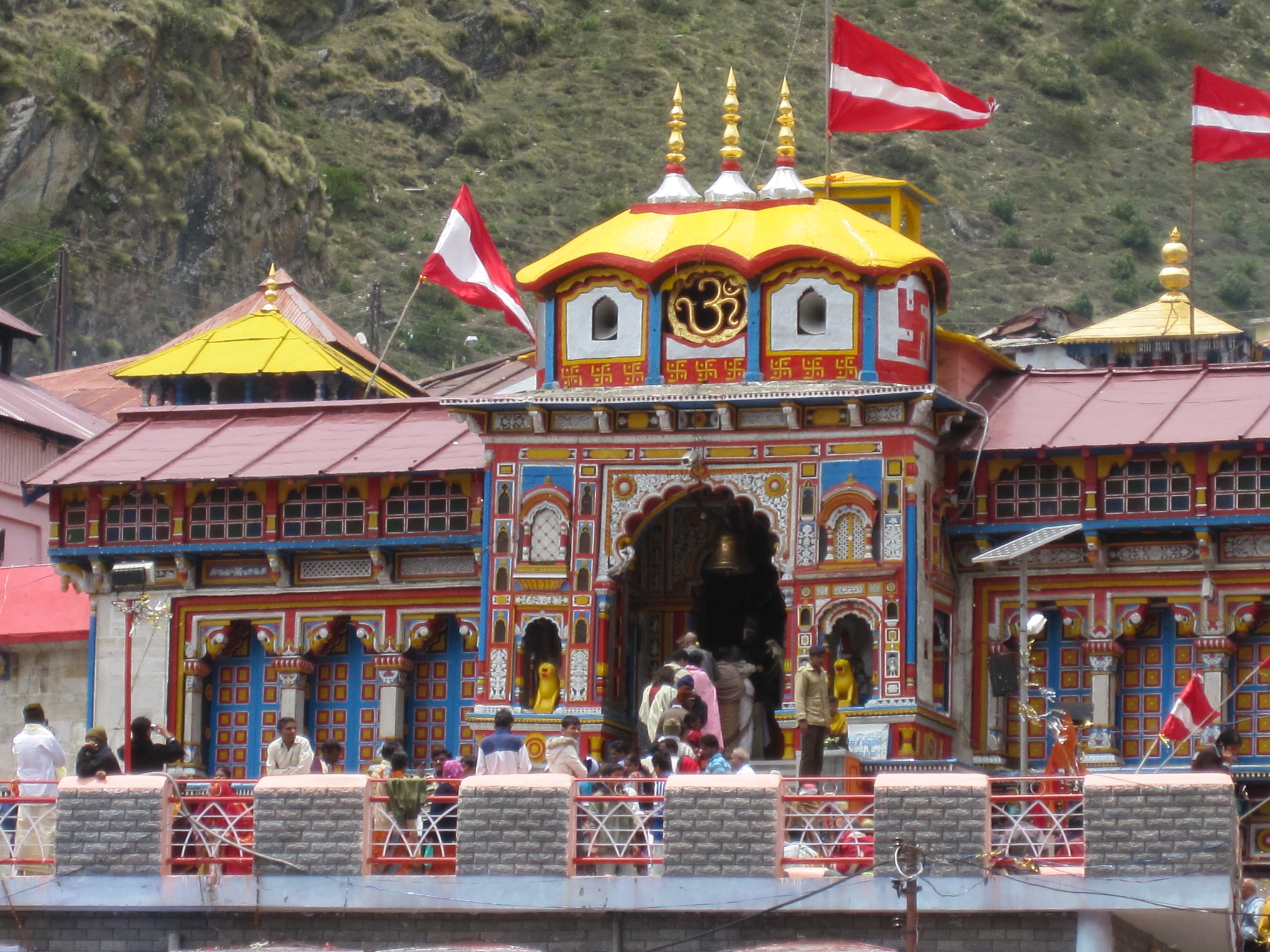
Shiva Tests Their Power
Even Lord Shiva tested them using the Pashupatastra, but the weapon lost its power due to their supreme meditation. Shiva recognized their divine status and supreme Samadhi.
Story of Urvashi’s Birth
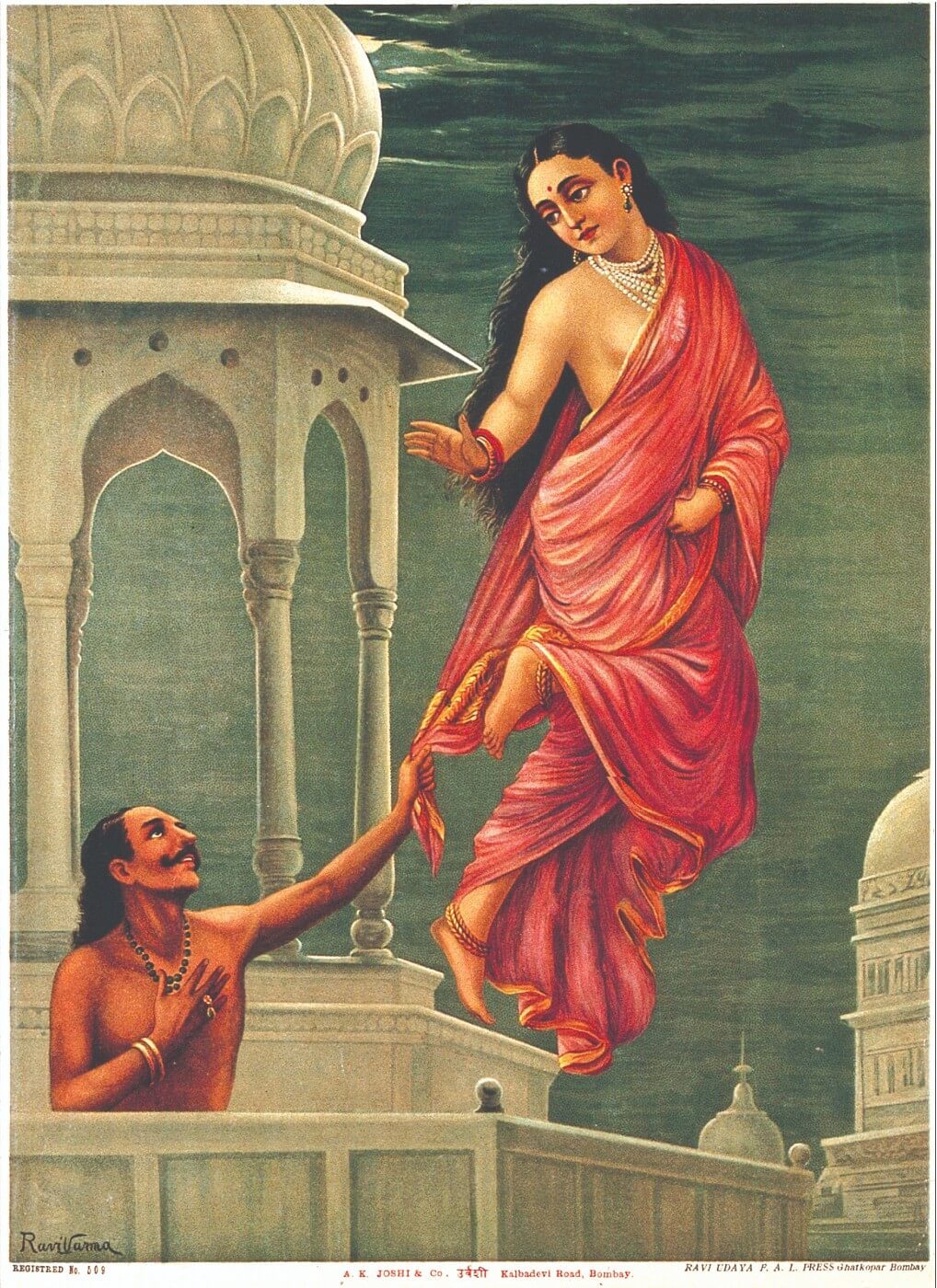
When Nara and Narayana were deep in penance, Lord Indra became fearful and sent celestial nymphs and Kamadeva to disturb them.
However:
- The sages remained unaffected.
- Narayana created a divine apsara from his thigh (Uru).
- She was named Urvashi.
Urvashi became the most beautiful celestial dancer in heaven.
This story proves their spiritual supremacy over worldly temptations.
Nara Narayana as Krishna and Arjuna in Mahabharata
In Dwapar Yuga, they reincarnated as:
- Krishna
- Arjuna
The Mahabharata clearly establishes their eternal connection.
Krishna’s Words to Arjuna
In Vana Parva, Krishna declares:
“You are Nara and I am Narayana. We came together for a divine mission.”
In the Bhagavad Gita, Krishna says:
“Many births both you and I have passed. I remember them all, but you do not.”
This confirms their divine identity.
Nara-Narayana and Karna (Sahasrakavacha)

In Treta Yuga, King Dambhodabhava received a thousand armors from Surya and became Sahasrakavacha.
To destroy him:
- Nara fought.
- Narayana meditated.
- They alternated roles for thousands of years.
Later in Dwapar Yuga:
- Sahasrakavacha was born as Karna.
- Nara-Narayana reincarnated as Arjuna-Krishna.
- Indra took Karna’s armor.
- Arjuna defeated Karna in Kurukshetra.
This divine cycle reflects cosmic justice.
Nara–Narayana and Prahlad – Detailed Scriptural Account, Philosophy & Spiritual Significance
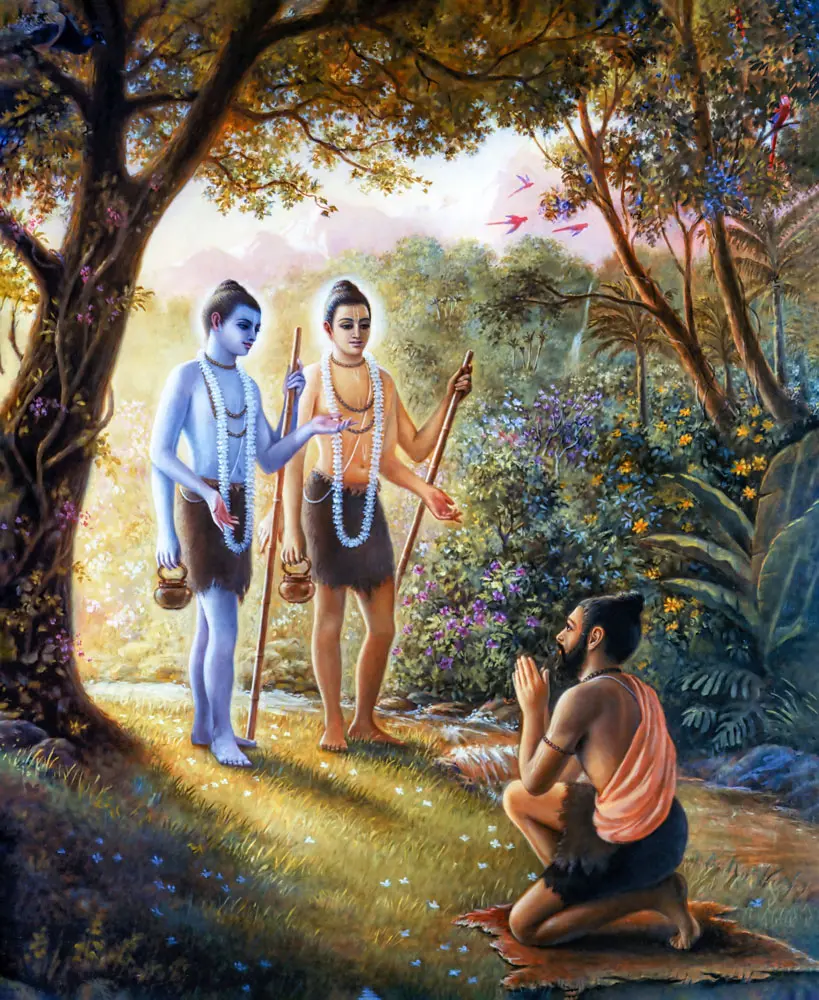
The episode of Nara–Narayana and Prahlad is a lesser-known but spiritually profound narrative described in the Mahabharata (Vana Parva) and referenced in the Bhagavata Purana. This story highlights humility, divine identity, and the deeper meaning of Dharma.
Background of Prahlad
Prahlad was the son of Hiranyakashipu and one of the greatest devotees of Lord Vishnu. Despite being born in an Asura lineage, Prahlad remained steadfast in devotion.
After Lord Vishnu appeared as Narasimha to protect him, Prahlad became widely respected for his unwavering Bhakti.
The Meeting at Naimisharanya
Once Prahlad asked Sage Chyavana:
“Which is the most sacred place for pilgrimage on Earth?”
He was told that Naimisharanya is among the holiest forests for spiritual purification.
Upon arriving there with his followers, Prahlad witnessed two radiant sages — Nara and Narayana — meditating deeply under a tree. Interestingly, the tree was pierced with numerous arrows, and powerful weapons were placed nearby.
The Conflict: Dharma vs Perception
Prahlad questioned:
- Why do ascetics possess weapons?
- Why are arrows embedded in the tree if they are renunciates?
Nara and Narayana calmly replied:
“One must act according to one’s inherent nature and ability. Both asceticism and strength are parts of Dharma.”
Prahlad misunderstood their response and perceived arrogance. Believing they were false ascetics, he challenged them to combat.
The Great Battle
A massive battle ensued between Prahlad and the twin sages.
According to scriptures:
- The fight lasted for thousands of celestial years.
- Neither side could defeat the other.
- Their powers appeared equally divine.
Prahlad, though a great devotee, could not overpower them.
Revelation in Vaikuntha
After realizing he could not win, Prahlad went to Vaikuntha to seek guidance from Lord Vishnu.
Lord Vishnu revealed:
“The sage Narayana whom you fought is Myself.”
Prahlad understood that he had unknowingly battled the Supreme Lord in sage form.
Overwhelmed with humility, he returned and sought forgiveness from Nara-Narayana.
Spiritual Lessons from the Story
| Principle | Meaning |
|---|---|
| True Dharma | Dharma includes both knowledge and strength |
| Ego vs Devotion | Even great devotees must guard against subtle pride |
| Divine Mystery | God can manifest in unexpected forms |
| Humility | Real spiritual growth begins with surrender |
Philosophical Interpretation
This episode demonstrates:
- Devotion alone is not enough; humility must accompany it.
- The Supreme Lord can manifest as sages, warriors, or guides.
- Dharma is dynamic — it includes both Tapasya (penance) and Kshatra (valor).
Nara represents human effort, and Narayana represents divine consciousness. When Prahlad fought them, it symbolized the struggle between perception and realization.
Connection to Mahabharata
In the Mahabharata, this narrative foreshadows the divine partnership later seen as:
- Krishna (Narayana)
- Arjuna (Nara)
It reinforces that the Supreme Lord works through human instruments to uphold righteousness.
Why This Story Matters Today
The Nara–Narayana and Prahlad episode teaches modern seekers:
- Never judge spiritual greatness superficially.
- Balance devotion with wisdom.
- Recognize that divine power may appear in unfamiliar forms.
- Surrender ego before truth.
The story of Nara-Narayana and Prahlad describes a divine battle between Vishnu’s twin sage incarnations and His greatest devotee. The episode teaches humility, true Dharma, and the mystery of divine manifestations, ultimately revealing Narayana as Lord Vishnu Himself.
Spiritual Symbolism of Nara and Narayana
| Nara | Narayana |
|---|---|
| Human Soul | Supreme Consciousness |
| Effort | Grace |
| Karma | Divine Will |
| Arjuna | Krishna |
Together they represent:
- Guru and Disciple
- Devotee and God
- Atma and Paramatma
Importance of Badrinath Temple Today
The sacred Badrinath Temple remains one of the Char Dham pilgrimage sites.
Devotees believe:
- Nara-Narayana still meditate there.
- Visiting Badrinath grants spiritual purification.
- The energy of penance still radiates in the Himalayas.
For official temple information, refer to:
https://badrinath-kedarnath.gov.in (Government Site)
Scriptural References (Sources)
For deeper study:
- https://vedabase.io (Bhagavata Purana)
- https://www.gita-society.com (Bhagavad Gita – Resource)
- https://www.sacred-texts.com/hin/maha/ (Mahabharata Translation)
These authoritative resources enhance spiritual research and understanding.
Frequently Asked Questions for Nara and Narayana
1. Who are Nara and Narayana in Hinduism?
Nara and Narayana are twin sages regarded as incarnations of Lord Vishnu. Nara represents the human soul, while Narayana represents the Supreme Lord. According to the Bhagavata Purana, they descended to Earth to protect Dharma and guide humanity toward righteousness.
2. Are Krishna and Arjuna the reincarnation of Nara-Narayana?
Yes. The Mahabharata and Bhagavata Purana confirm that Lord Krishna is Narayana and Arjuna is Nara in Dwapar Yuga. Their divine partnership continued to uphold Dharma during the Kurukshetra war.
3. Where did Nara and Narayana perform penance?
Nara and Narayana performed intense austerities at Badrikashram, presently known as Badrinath in Uttarakhand, India. It is believed they continue their meditation there for the welfare of the world.
4. What is the connection between Nara-Narayana and Badrinath Temple?
The sacred Badrinath Temple in Uttarakhand is associated with Nara-Narayana’s eternal penance. Scriptures state that the divine sages still meditate in subtle form in this holy region.
5. What is the story of Urvashi’s birth related to Nara-Narayana?
When Indra sent celestial nymphs to disturb their meditation, Narayana created Urvashi from his thigh (Uru). This demonstrated their spiritual supremacy over temptation and worldly desires.
6. How are Nara-Narayana connected to Karna?
In Treta Yuga, they fought Sahasrakavacha, who was later reborn as Karna in the Mahabharata. In Dwapar Yuga, Nara (Arjuna) defeated Karna with the guidance of Narayana (Krishna).
7. What is the spiritual meaning of Nara and Narayana?
Nara symbolizes human effort (Karma), and Narayana symbolizes divine grace. Together they represent the eternal relationship between Atma (soul) and Paramatma (Supreme Consciousness).
8. In which scriptures are Nara-Narayana mentioned?
They are prominently described in the Bhagavata Purana, Mahabharata, and referenced in the Bhagavad Gita.
9. Why did Lord Shiva test Nara-Narayana?
Lord Shiva tested their spiritual power using the Pashupatastra. The weapon lost its strength near them, proving their supreme level of meditation and divine realization.
10. What is the mission of Nara-Narayana’s incarnation?
Their primary purpose was to establish Dharma, destroy evil forces, and guide humanity toward righteousness across different Yugas.
11. Why is Nara-Narayana important in Sanatan Dharma?
They embody the unity of the human soul and the Supreme Lord, teaching that spiritual effort combined with divine grace leads to liberation.
12. Which Yuga did Nara and Narayana first appear in?
Nara and Narayana first appeared in Satya Yuga as divine sages performing austerities for the protection of Dharma and the welfare of humanity.
13. Who were the parents of Nara and Narayana?
According to the Bhagavata Purana, they were born to Dharma (a mind-born son of Brahma) and Murti (daughter of Daksha Prajapati).
14. What is Badrikashram in Hindu scriptures?
Badrikashram is the ancient spiritual name of present-day Badrinath in Uttarakhand. It is described as the sacred land where Nara and Narayana performed eternal penance.
15. Is Nara-Narayana considered a Vishnu Avatar?
Yes. In the Bhagavata Purana, Nara-Narayana are described as incarnations of Lord Vishnu who descended to restore cosmic balance and protect righteousness.
16. Why did Indra fear Nara and Narayana?
Indra feared that their intense penance would surpass heavenly powers. To disrupt them, he sent Kamadeva and apsaras, but they failed due to the sages’ spiritual strength.
17. What lesson does the story of Urvashi teach?
The story teaches that true spiritual realization is beyond temptation. Even divine beauty and worldly pleasures cannot disturb a realized soul.
18. How are Nara-Narayana connected to Bhagavad Gita?
In the Bhagavad Gita, Lord Krishna (Narayana) guides Arjuna (Nara), symbolizing the eternal relationship between divine wisdom and human action.
19. What is the philosophical meaning of Nara and Narayana?
Philosophically, Nara represents the individual soul striving through Karma, while Narayana represents the Supreme Consciousness guiding through grace and knowledge.
20. Are Nara-Narayana still meditating today?
Scriptures state that they continue their meditation in subtle form at Badrikashram for the spiritual upliftment of the world.
21. What is the significance of Nara-Narayana in Mahabharata?
The Mahabharata establishes that Krishna and Arjuna are the reincarnations of Nara and Narayana, emphasizing their mission to defeat adharma during the Kurukshetra war.
22. How does Nara-Narayana symbolize Guru and Disciple?
Narayana represents the divine Guru (Krishna), and Nara represents the disciple (Arjuna). Their relationship teaches surrender, devotion, and righteous action.
23. What role did Nara-Narayana play in defeating evil kings?
In earlier Yugas, they fought powerful demons like Sahasrakavacha to restore balance. Their reincarnations continued this mission in different ages.
24. Why is Nara-Narayana important for pilgrims?
Pilgrims visiting Badrinath believe that worshipping Nara-Narayana removes sins, strengthens faith, and grants spiritual progress.
25. How does Nara-Narayana relate to Dharma?
Their entire incarnation revolves around protecting Dharma, guiding rulers, supporting devotees, and eliminating evil forces across Yugas.
Conclusion
Nara-Narayana represent the eternal partnership between humanity and divinity. Their presence in scriptures emphasizes that whenever Dharma declines, divine forces manifest to restore balance.
From Badrinath’s silent Himalayas to the battlefield of Kurukshetra, their story continues to inspire seekers on the path of righteousness.
Book Authentic Vedic Puja with Expert Pandits
For Vishnu Puja, Narayana Bali, Bhagavad Gita Path, and other sacred rituals, visit:
Panditji on Way is India’s trusted online platform for authentic Vedic rituals performed by verified and experienced Pandits.