

Mundan Muhurat 2026: Auspicious Dates, Nakshatra & Shubh Timings for Mundan Sanskar
Mundan Muhurat 2026 with month-wise auspicious dates, Nakshatra, and timings. Learn Mundan Sanskar benefits and book experienced pandits online. Mundan Muhurat 2026 helps parents choose the most auspicious date and time for their child’s Mundan Sanskar (Chudakarana). According to Hindu traditions, performing the Mundan ceremony during a Shubh Muhurat with favorable Nakshatra and Tithi ensures the child’s health, prosperity, and spiritual purification.
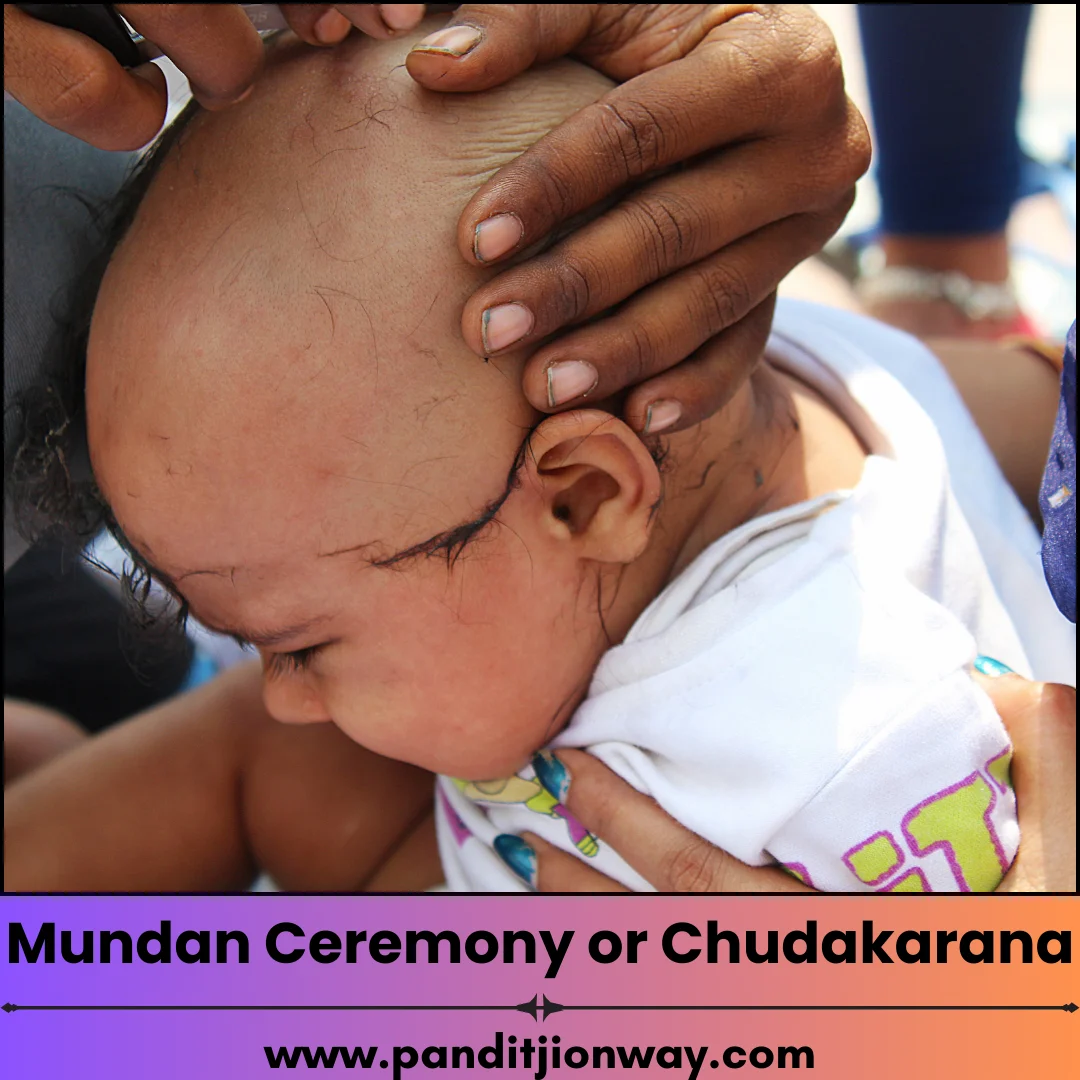
This sacred ritual removes the birth hair of the child and symbolizes removal of past karmic influences and the beginning of a new life phase.
If you are planning your child’s Mundan ceremony in 2026, this guide provides:
- Month-wise Mundan Muhurat 2026
- Auspicious Nakshatra and Tithi
- Correct age for Mundan
- Religious and scientific benefits
- Step-by-step Mundan ceremony procedure
Families can also book experienced Vedic Pandits for Mundan Sanskar through:
Panditji on way:
https://www.panditjionway.com
Panditji On Way is India’s trusted online pandit booking platform for puja, havan, mundan, griha pravesh, and astrology services.


What is Mundan Sanskar (Chudakarana)?
Mundan Sanskar, also known as Chudakarana, is one of the 16 Hindu Samskaras mentioned in ancient scriptures.
During this ritual:
- The child’s birth hair is shaved
- The ceremony is performed with Vedic mantras
- Hair is offered to a sacred river or temple
According to Hindu beliefs, this ritual:
- Removes negative karmic energy from past births
- Purifies the body and mind
- Blesses the child with long life, intelligence, and prosperity
Reference Source:
https://www.britannica.com/topic/samskara-Hinduism
Mundan Muhurat 2026: Month Wise Auspicious Dates
Below are the most auspicious Mundan Muhurat dates for 2026, calculated according to Hindu Panchang considering Nakshatra, Tithi, and planetary alignment.
January 2026 Mundan Muhurat
| Date | Day | Nakshatra | Shubh Timing |
|---|---|---|---|
| 20 January 2026 | Tuesday | Shravana | 02:15 AM – 07:12 AM |
| 21 January 2026 | Wednesday | Dhanishta | 07:14 AM – 02:46 AM (Jan 22) |
| 31 January 2026 | Saturday | Punarvasu | 03:28 AM – 07:10 AM |
January marks the beginning of the year and is considered spiritually powerful for performing Hindu Sanskar rituals.
February 2026 Mundan Muhurat
| Date | Day | Nakshatra | Shubh Timing |
|---|---|---|---|
| 6 February 2026 | Friday | Hasta | 12:23 PM – 01:18 AM (Feb 7) |
| 11 February 2026 | Wednesday | Jyeshta | 10:53 AM – 11:11 PM |
| 12 February 2026 | Thursday | Jyeshta | 12:23 PM – 01:43 PM |
| 18 February 2026 | Wednesday | Shatabhisha | 04:59 PM – 09:17 PM |
| 26 February 2026 | Thursday | Mrigashirsha | 02:40 AM – 12:12 PM |
| 27 February 2026 | Friday | Punarvasu | 10:49 AM – 11:31 AM |
February brings fresh energy and is considered auspicious for child rituals.
March 2026 Mundan Muhurat
| Date | Day | Nakshatra | Shubh Timing |
|---|---|---|---|
| 5 March 2026 | Thursday | Hasta | 08:18 AM – 05:25 AM (Mar 6) |
| 16 March 2026 | Monday | Dhanishta | 09:42 AM – 06:36 AM (Mar 17) |
March represents transition and new beginnings.
April 2026 Mundan Muhurat
| Date | Day | Nakshatra | Shubh Timing |
|---|---|---|---|
| 21 April 2026 | Tuesday | Mrigashirsha | 04:16 AM – 06:04 AM |
| 22 April 2026 | Wednesday | Punarvasu | 10:51 PM – 08:48 PM (Apr 23) |
| 29 April 2026 | Wednesday | Hasta | 05:58 AM – 07:51 PM |
April is a spiritually active month according to the Hindu calendar.
May 2026 Mundan Muhurat
| Date | Day | Nakshatra | Shubh Timing |
|---|---|---|---|
| 4 May 2026 | Monday | Jyeshta | 09:58 AM – 04:13 PM |
| 9 May 2026 | Saturday | Shravana | 01:17 AM – 05:51 AM |
| 11 May 2026 | Monday | Shatabhisha | 03:26 PM – 01:27 AM |
| 14 May 2026 | Thursday | Ashwini | 10:34 PM – 08:30 AM |
May is ideal for family gatherings and religious ceremonies.
June 2026 Mundan Muhurat
| Date | Day | Nakshatra | Shubh Timing |
|---|---|---|---|
| 17 June 2026 | Wednesday | Punarvasu | 05:46 AM – 09:38 PM |
| 24 June 2026 | Wednesday | Chitra | 05:48 AM – 07:07 AM |
July 2026 Mundan Muhurat
| Date | Day | Nakshatra | Shubh Timing |
|---|---|---|---|
| 2 July 2026 | Thursday | Shravana | 09:28 AM – 10:31 PM |
| 9 July 2026 | Thursday | Ashwini | 10:39 AM – 02:57 PM |
| 15 July 2026 | Wednesday | Pushya | 11:52 AM – 09:45 PM |
| 20 July 2026 | Monday | Hasta | 05:57 AM – 04:02 AM |
Chaturmas Period (July – October 2026)
After Devshayani Ekadashi, Lord Vishnu enters cosmic sleep.
During Chaturmas, major Hindu ceremonies such as:
- Weddings
- Mundan Sanskar
- Griha Pravesh
- Upanayan
are generally avoided.
Reference:
https://www.drikhpanchang.com
Mundan Muhurat After Chaturmas (November – December 2026)
| Month | Date | Day | Nakshatra | Shubh Muhurat |
|---|---|---|---|---|
| November | 16 Nov | Monday | Shravana | 07:20 AM – 07:48 PM |
| November | 22 Nov | Sunday | Swati | 07:20 AM – 05:29 PM |
| December | 4 Dec | Friday | Hasta | 07:31 AM – 06:36 PM |
| December | 14 Dec | Monday | Dhanishta | 07:38 AM – 05:56 PM |
Best Age for Mundan Sanskar
According to Hindu scriptures:
| Age | Significance |
|---|---|
| 1st Year | Removes birth impurities |
| 3rd Year | Most common Mundan year |
| 5th Year | Recommended if delayed |
The ritual is usually performed in odd-numbered years.
Religious Benefits of Mundan Sanskar
1. Spiritual Purification
Birth hair symbolizes past karmic residues. Removing it represents a spiritual reset.
2. Blessings for Long Life
The ceremony invokes blessings for:
- longevity
- wisdom
- prosperity
3. Connection with Divine Energy
Hair is offered to sacred rivers like Ganga or Yamuna, symbolizing surrender to divine forces.
Reference:
https://www.sanskritdocuments.org
Scientific Benefits of Mundan Ceremony
Improves Scalp Health
Removing birth hair helps clean the scalp and removes cradle cap.
Vitamin D Absorption
A shaved scalp allows better sunlight exposure, improving bone development.
Better Hair Growth
Uniform regrowth leads to thicker and healthier hair.
Step-by-Step Mundan Sanskar Ritual
1. Ganesh Puja and Havan
The ceremony begins with Ganesh Puja and sacred fire ritual.
2. Child Blessing
Holy water from Ganga or temple water is sprinkled on the child.
3. Hair Shaving
A priest chants Vedic mantras while the barber performs the shaving.
4. Hair Offering
The shaved hair is:
- immersed in a sacred river
- buried near a holy tree
- offered at a temple
5. Prasad and Feast
Family members bless the child and distribute prasad.
You can book verified Vedic pandits for Mundan ceremony at home through:

Important Astrology Rules for Mundan
Auspicious Tithi:
- Dwitiya
- Tritiya
- Panchami
- Saptami
- Dashami
- Ekadashi
- Trayodashi
Auspicious Days:
- Monday
- Wednesday
- Thursday
- Friday
Auspicious Nakshatra:
- Ashwini
- Mrigashirsha
- Pushya
- Hasta
- Punarvasu
- Chitra
- Swati
- Dhanishta
- Shravan
Pro Tips for Parents During Mundan
- Plan the ceremony after the child’s nap.
- Ensure the barber uses sterilized tools.
- Apply sandalwood paste after shaving.
- Keep toys or snacks to keep the child calm.
Book Pandit for Mundan Sanskar
Panditji On Way is India’s largest online puja booking platform.
Services include:
- Mundan Sanskar
- Griha Pravesh
- Satyanarayan Puja
- Rudrabhishek
- Havan
- Astrology Consultation
Book Pandit Online:
https://www.panditjionway.com
Zero upfront payment and verified Vedic priests.
Mundan Muhurat 2026 by Child Birth Nakshatra
Selecting Mundan Muhurat according to the child’s birth Nakshatra is considered highly beneficial in Vedic astrology. Astrologers analyze the baby’s Janma Nakshatra, Moon position, and planetary influences to choose the most auspicious date.
| Birth Nakshatra | Recommended Nakshatra for Mundan |
|---|---|
| Ashwini | Pushya, Hasta |
| Bharani | Mrigashirsha, Swati |
| Krittika | Dhanishta, Shravana |
| Rohini | Chitra, Punarvasu |
| Mrigashirsha | Ashwini, Hasta |
| Pushya | Swati, Dhanishta |
| Hasta | Punarvasu, Shravana |
| Swati | Chitra, Pushya |
| Shravana | Mrigashirsha, Ashwini |
Choosing a Muhurat based on birth Nakshatra ensures favorable planetary alignment for the child’s future growth and prosperity.
Top 10 Temples in India for Mundan Ceremony
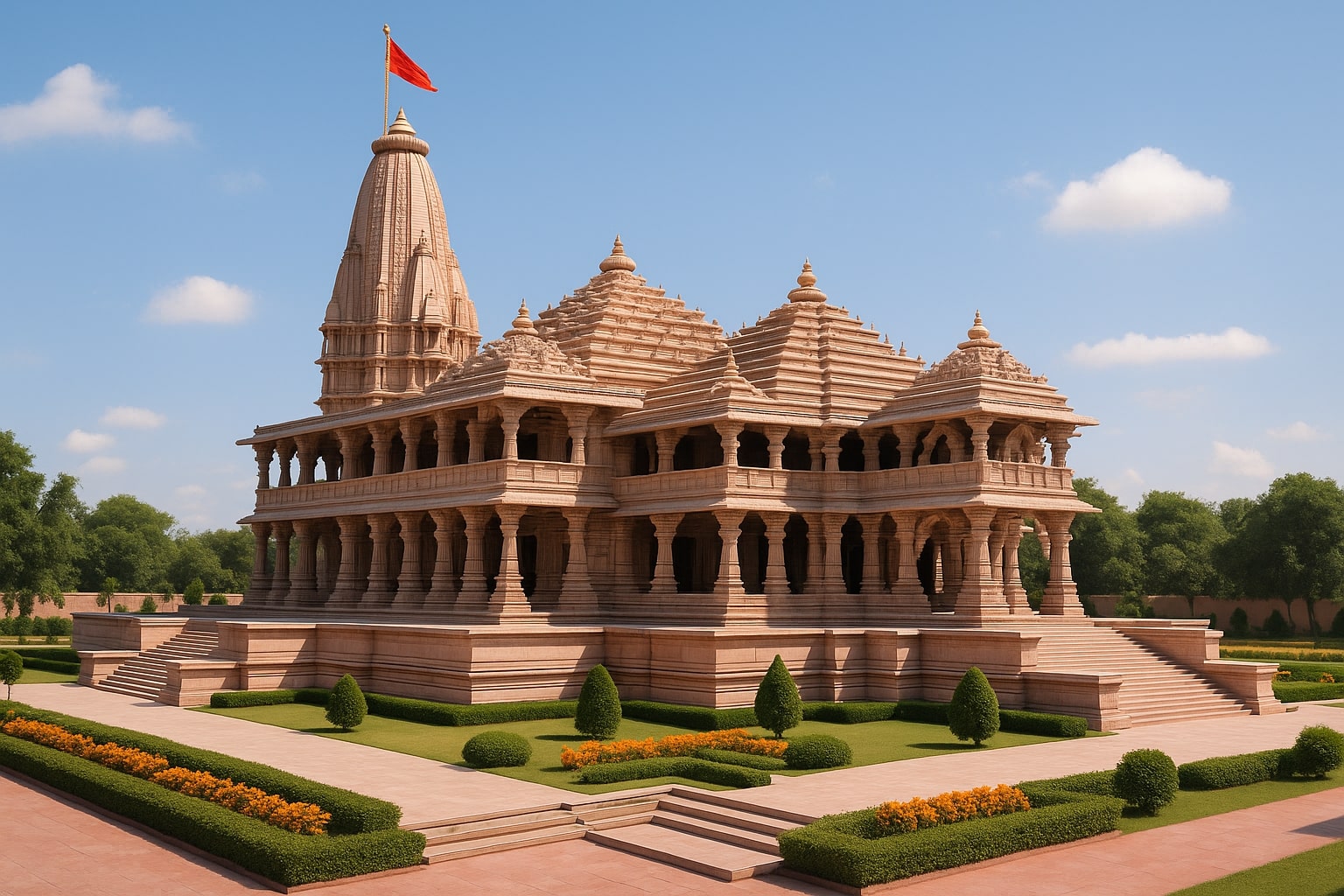
Many families prefer performing Mundan Sanskar at sacred temples due to their spiritual significance.
| Temple | Location | Significance |
|---|---|---|
| Tirupati Balaji Temple | Andhra Pradesh | Most famous temple for tonsure ritual |
| Kashi Vishwanath Temple | Varanasi | Sacred place on the Ganga |
| Har Ki Pauri | Haridwar | Holy Ganga river ritual |
| Vaishno Devi Temple | Jammu | Divine blessings |
| Somnath Temple | Gujarat | Ancient Jyotirlinga |
| Mahakaleshwar Temple | Ujjain | Spiritual purification |
| Jagannath Temple | Puri | Sacred Hindu pilgrimage |
| Kamakhya Temple | Assam | Powerful Shakti Peeth |
| Kedarnath Temple | Uttarakhand | Himalayan spiritual site |
| Rameshwaram Temple | Tamil Nadu | Sacred pilgrimage center |
These temples are considered highly auspicious locations for performing Mundan Sanskar.

Best Cities in India for Mundan Ceremony
Families often search for pandits and temples for Mundan ceremony in major cities.
Popular cities for Mundan ceremony:
- Mundan ceremony in Delhi
- Mundan ceremony in Mumbai
- Mundan ceremony in Bangalore
- Mundan ceremony in Pune
- Mundan ceremony in Hyderabad
- Mundan ceremony in Ahmedabad
- Mundan ceremony in Kolkata
Parents can easily book verified Vedic pandits online through PanditjiOnWay.com for conducting Mundan rituals at home or temples.
Mundan Muhurat 2026 According to Rashi
Astrologers sometimes recommend Muhurat based on the child’s zodiac sign (Rashi).
| Rashi | Favorable Nakshatra |
|---|---|
| Aries (Mesh) | Ashwini, Pushya |
| Taurus (Vrishabh) | Rohini, Hasta |
| Gemini (Mithun) | Punarvasu, Swati |
| Cancer (Kark) | Pushya, Shravana |
| Leo (Singh) | Magha, Chitra |
| Virgo (Kanya) | Hasta, Dhanishta |
| Libra (Tula) | Swati, Mrigashirsha |
| Scorpio (Vrishchik) | Jyeshta, Punarvasu |
| Sagittarius (Dhanu) | Moola, Shravana |
| Capricorn (Makar) | Dhanishta, Pushya |
| Aquarius (Kumbh) | Shatabhisha, Chitra |
| Pisces (Meen) | Revati, Ashwini |
Choosing Muhurat according to Rashi enhances positive planetary effects on the child’s life.
Mundan Sanskar in Hindu Scriptures
Mundan Sanskar is mentioned in several ancient Hindu scriptures including:
- Grihya Sutras
- Manusmriti
- Yajurveda
According to these texts, the ceremony symbolizes:
- purification of the body
- removal of past karmic influences
- preparation for intellectual growth
Reference Source:
https://www.sanskritdocuments.org
Important Rules for Mundan Ceremony
Before performing Mundan Sanskar, several Vedic rules should be followed:
- The ceremony should be performed during Shubh Muhurat.
- Avoid performing Mundan during Chaturmas period.
- The child should wear new clothes after the ceremony.
- The shaved hair should be offered to a sacred river or temple.
- Vedic mantras should be chanted during the ritual.
These rules ensure the ceremony is performed according to proper Hindu traditions.
Mundan Ceremony Puja Samagri List
Parents should prepare the following items for Mundan ceremony:
- Coconut
- Betel leaves
- Rice (Akshat)
- Flowers
- Incense sticks
- Ghee
- Sandalwood paste
- Holy water (Gangajal)
- New clothes for the child
- Puja thali
These items are used during Ganesh Puja, Havan, and Mundan ritual.
Cost of Mundan Ceremony in India
The cost of Mundan ceremony may vary depending on location and rituals.
| Type of Ceremony | Estimated Cost |
|---|---|
| Temple Mundan | ₹1,000 – ₹5,000 |
| Home Mundan Ceremony | ₹3,000 – ₹10,000 |
| Premium Vedic Ritual with Havan | ₹10,000 – ₹25,000 |
Parents can book experienced pandits online through Panditji On Way for complete ritual arrangements.
Website:
https://www.panditjionway.com
Safety Tips for Baby During Mundan
Parents should take special precautions for the child during the ceremony.
Important safety tips:
- Ensure the barber uses sterilized blades
- Keep the baby calm with toys or snacks
- Apply sandalwood or coconut oil after shaving
- Protect the baby’s scalp from direct sunlight
These steps ensure the baby remains comfortable and safe during the ritual.
Why Choose Panditji On Way for Mundan Sanskar
Panditji On Way is India’s largest online platform for booking Vedic pandits and puja services.
Benefits include:
- Verified and experienced priests
- Online booking for puja services
- Transparent pricing
- Availability across major Indian cities
- Complete ritual guidance
Families can easily book pandits for Mundan Sanskar, Griha Pravesh, Satyanarayan Puja, Rudrabhishek, and other Hindu rituals.
Book Pandit Online:
https://www.panditjionway.com
Explore More Pujas and Muhurat:
- Griha Pravesh Muhurat 2026
- Rudrabhishek Puja Benefits
- Satyanarayan Puja Vidhi
- Ganesh Chaturthi Puja Vidhi
- Ekadashi Vrat List 2026
What is Mundan Muhurat 2026?
Mundan Muhurat 2026 refers to the most auspicious dates and times in 2026 to perform the Hindu Mundan Sanskar (first hair cutting ceremony). These muhurats are calculated based on Nakshatra, Tithi, weekday, and planetary positions to ensure positive spiritual and health benefits for the child.
FAQ for Mundan Muhurat 2026
1. What is the best Mundan Muhurat in 2026?
The best Mundan Muhurat in 2026 depends on auspicious Nakshatra, Tithi, and weekday combinations. Highly favorable dates include 20 January, 6 February, 21 April, 4 May, 17 June, and 16 November 2026. Performing Mundan during these muhurats is believed to bring health, prosperity, and spiritual purification for the child.
2. Why is Mundan Sanskar important in Hindu tradition?
Mundan Sanskar is one of the 16 Hindu Samskaras performed for spiritual purification. The ceremony symbolizes removal of past life karmic influences and promotes healthy hair growth. According to scriptures, shaving the birth hair helps the child receive positive cosmic energy and divine blessings.
3. At what age should Mundan be performed?
Traditionally, Mundan Sanskar is performed during the 1st, 3rd, or 5th year of a child’s life. Hindu scriptures recommend odd-numbered years for the ceremony. The exact timing may also depend on family tradition, horoscope, and astrologer consultation.
4. Which Nakshatra is best for Mundan ceremony?
The most auspicious Nakshatras for Mundan include Ashwini, Mrigashirsha, Pushya, Hasta, Punarvasu, Chitra, Swati, Dhanishta, and Shravana. These constellations are considered highly favorable because they align with positive planetary energies that support growth, health, and prosperity.
5. Can Mundan ceremony be performed at home?
Yes, Mundan Sanskar can be performed at home if conducted during a Shubh Muhurat with proper Vedic rituals. Families usually invite an experienced priest to perform Ganesh Puja, Havan, and Vedic mantras before shaving the child’s hair.
6. Why is Mundan performed at temples like Tirupati or Haridwar?
Many families prefer performing Mundan at sacred places such as Tirupati, Varanasi, Haridwar, or Prayagraj. These pilgrimage sites are believed to carry strong spiritual energy, and offering hair in these places symbolizes surrender to divine power and purification of karmas.
7. What should be done with the hair after Mundan?
Traditionally, the shaved hair should not be thrown in the garbage. Instead, it is either immersed in a holy river like the Ganga, buried in a clean sacred place, or offered in a temple. This act symbolizes returning the hair to nature and spiritual purification.
8. Which days are considered auspicious for Mundan?
According to Hindu astrology, Monday, Wednesday, Thursday, and Friday are considered favorable days for Mundan Sanskar. These days are associated with positive planetary influences, which are believed to ensure blessings for the child.
9. Which Tithi is good for Mundan ceremony?
The most auspicious Tithis for Mundan include Dwitiya, Tritiya, Panchami, Saptami, Dashami, Ekadashi, and Trayodashi. These lunar dates are believed to enhance the spiritual significance and success of Hindu rituals.
10. Is Mundan ceremony mandatory for girls?
Mundan is not mandatory for girls in all regions. However, some Hindu communities perform either a complete head shave or symbolic hair cutting for girls. The ritual is believed to promote healthy hair growth and spiritual purification.
11. Why is Mundan avoided during Chaturmas?
Chaturmas is a sacred four-month period when Lord Vishnu is believed to enter cosmic sleep. During this time, major rituals such as weddings, Mundan, and housewarming ceremonies are generally avoided because the period is dedicated to spiritual reflection and prayer.
12. What are the scientific benefits of Mundan Sanskar?
From a scientific perspective, Mundan helps improve scalp hygiene and hair growth. Shaving the birth hair allows the scalp to receive better sunlight exposure, improving Vitamin D absorption, which supports bone development and overall health.
13. Does Mundan improve hair growth?
Many parents believe that shaving birth hair leads to thicker and more uniform hair growth. While genetics play a major role in hair growth, removing uneven newborn hair can result in more even regrowth of healthy hair.
14. Which month is best for Mundan ceremony?
According to Hindu scriptures, the best months for Mundan include Chaitra, Vaishakh, Jyestha, Magh, and Phalgun. These months are astrologically favorable and align with positive lunar cycles suitable for performing sacred rituals.
15. What rituals are performed during Mundan Sanskar?
The Mundan ceremony usually includes Ganesh Puja, Havan, Vedic mantra chanting, and the ritual shaving of the child’s hair. After the ceremony, the hair is offered to a sacred place and the family distributes Prasad and blessings.
16. How long does the Mundan ceremony take?
The complete Mundan ceremony typically takes 1 to 2 hours depending on the rituals performed. The process includes Puja, Havan, shaving of hair, and blessings from family members.
17. Can Mundan be performed according to the child’s horoscope?
Yes, many families prefer performing Mundan according to the child’s Janam Kundli (birth chart). An astrologer considers the child’s Rashi, Nakshatra, and planetary positions to select the most auspicious date and time.
18. What should parents prepare for Mundan ceremony?
Parents should arrange puja items such as rice, flowers, coconut, sandalwood paste, incense, and sacred water. It is also recommended to keep new clothes for the child and Prasad for guests during the ceremony.
19. Is Mundan performed only once in life?
Yes, Mundan Sanskar is generally performed once during childhood. It is a significant ritual marking the first haircut of the child and symbolizes the beginning of spiritual and physical growth.
20. How to book a pandit for Mundan ceremony?
Families can easily book experienced priests through online puja booking platforms like Panditji On Way, where verified Vedic pandits perform Mundan ceremonies at home or temples with complete rituals and guidance.
Conclusion
The Mundan Muhurat 2026 provides many auspicious opportunities to perform this sacred ritual.
Choosing the right Nakshatra, Tithi, and Muhurat ensures:
- spiritual purification
- healthy hair growth
- blessings for long life and prosperity
Families can plan the ceremony according to the dates listed above and perform it with the guidance of experienced Vedic priests.