Most Powerful Weapons in Mahabharata: Divine Astras That Changed Destiny Forever
Discover the 10 most powerful weapons in Mahabharata including Brahmastra, Sudarshan Chakra, and Pashupatastra with legends, power, and lessons.
The Mahabharata, one of the greatest epics in world history, is not merely a tale of war—it is a profound narrative of dharma, destiny, karma, and divine power. The Kurukshetra War did not revolve around ordinary swords or arrows. Instead, it witnessed the use of astrās—mystical, mantra-activated weapons granted by gods themselves.
These divine weapons were capable of summoning firestorms, celestial lightning, cosmic destruction, and universal balance. Even today, they are studied as symbols of ancient wisdom, responsibility, and spiritual discipline.
In this detailed guide, we explore the Top 10 Most Powerful Weapons in Mahabharata, their divine origins, wielders, and the timeless lessons they teach humanity.
What Are Astras in the Mahabharata?
Before understanding the most powerful weapons, it is essential to know what an astra truly is.
In Sanskrit, astra means “that which is thrown or released.” Unlike physical weapons, astras are activated through sacred mantras, intense concentration, and spiritual eligibility.
Difference Between Astra and Shastra
- Astra: Divine, mantra-activated weapon (Brahmastra, Pashupatastra)
- Shastra: Physical weapon requiring skill (bow, sword, mace)
The greatest weapons of the Mahabharata did not depend on physical strength alone. They required purity of mind, emotional control, and moral responsibility. This is why only select warriors could wield them.
Astras in the Mahabharata: Detailed Explanation
In the Mahabharata, astras were not ordinary weapons. They were cosmic forces encoded into mantras, functioning only when invoked with absolute precision, purity of intent, and spiritual authority.
Unlike modern weapons that rely on mechanics, astras operated on Vedic consciousness principles, combining sound (mantra), intention (bhavana), and cosmic alignment (tattva).
How Astras Worked in the Mahabharata
- Mantra Activation:
Each astra required a specific Sanskrit mantra to invoke and a separate mantra to withdraw it. Improper chanting could cause irreversible destruction. - Eligibility Criteria:
Astras could only be granted to warriors who demonstrated:- Brahmacharya (discipline)
- Emotional control
- Devotion to dharma
- Guru’s approval
- Elemental & Cosmic Control:
Astras embodied natural and cosmic forces:- Fire (Agneyastra)
- Water (Varunastra)
- Wind (Vayavastra)
- Serpents (Nagastra)
- Celestial energy (Brahmastra, Pashupatastra)
- Moral Limitation:
Astras were forbidden against ordinary warriors or for personal revenge. Misuse resulted in severe curses, as seen in Ashwatthama’s fate.
Categories of Astras
- Brahmic Astras – Universe-level destruction
Examples: Brahmastra, Brahmashira Astra - Shaivic Astras – Annihilation and transformation
Example: Pashupatastra - Vaishnav Astras – Preservation and justice
Examples: Sudarshan Chakra, Narayanastra - Deva Astras – Elemental warfare
Examples: Vajra, Agneyastra, Varunastra
This layered structure proves that the Mahabharata envisioned weapons as extensions of cosmic law, not tools of chaos.
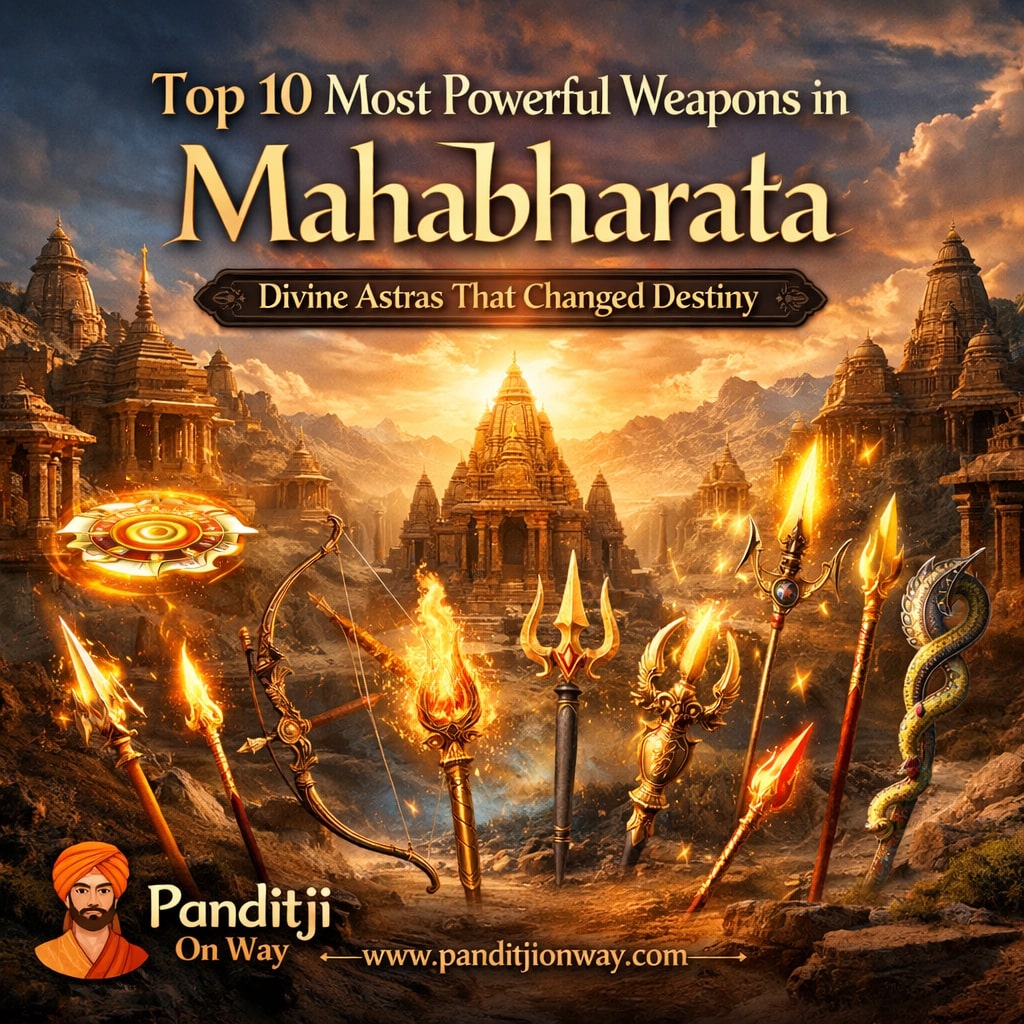
Top 10 Most Powerful Weapons in the Mahabharata
1. Brahmastra – The Ultimate Weapon of Creation and Destruction

Power: Capable of annihilating entire kingdoms and civilizations
Purpose: Protection of dharma in extreme circumstances
Wielders: Arjuna, Ashwatthama
The Brahmastra, created by Lord Brahma, is often compared to a modern nuclear weapon. During the Kurukshetra War, Ashwatthama invoked it in rage after Dronacharya’s death. Arjuna countered with the same weapon, threatening universal destruction.
At the request of sages, Arjuna withdrew his astra, but Ashwatthama redirected it toward the unborn child of Uttara. Lord Krishna intervened and saved the lineage of the Pandavas.
2. Sudarshan Chakra – The Disc of Divine Justice
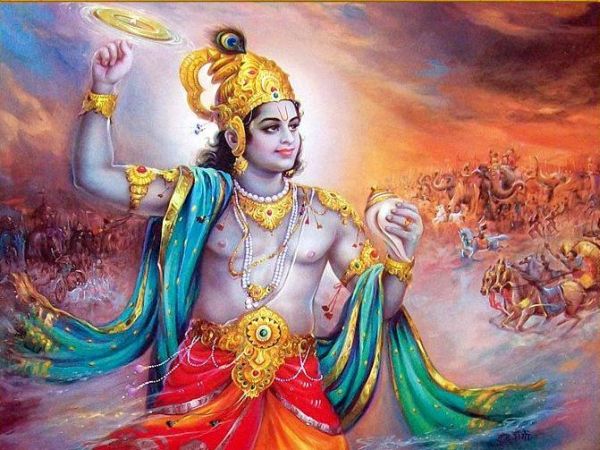
Power: Infinite precision and unstoppable cosmic energy
Purpose: Destruction of adharma
Wielder: Lord Krishna
The Sudarshan Chakra, wielded by Lord Krishna, represents divine justice. It was famously used to behead Shishupala during Yudhishthira’s Rajasuya Yajna after his 101st offense.
Although Krishna vowed not to fight in the war, the chakra symbolizes that divine intervention occurs when dharma is threatened.
3. Pashupatastra – Lord Shiva’s Supreme Weapon
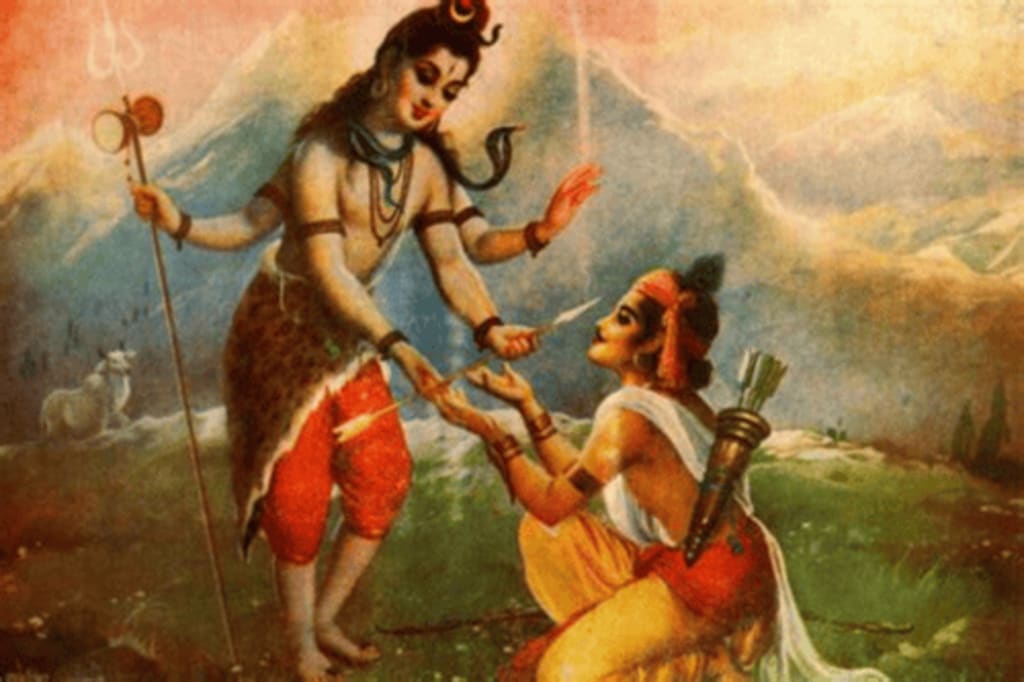
Power: Greater than Brahmastra, capable of universal destruction
Purpose: Only against absolute evil
Wielder: Arjuna
Granted by Lord Shiva after intense penance, the Pashupatastra was so destructive that Arjuna never used it in the war. This restraint highlights the Mahabharata’s core teaching: true strength lies in self-control.
4. Narayanastra – The Wrath of Lord Vishnu
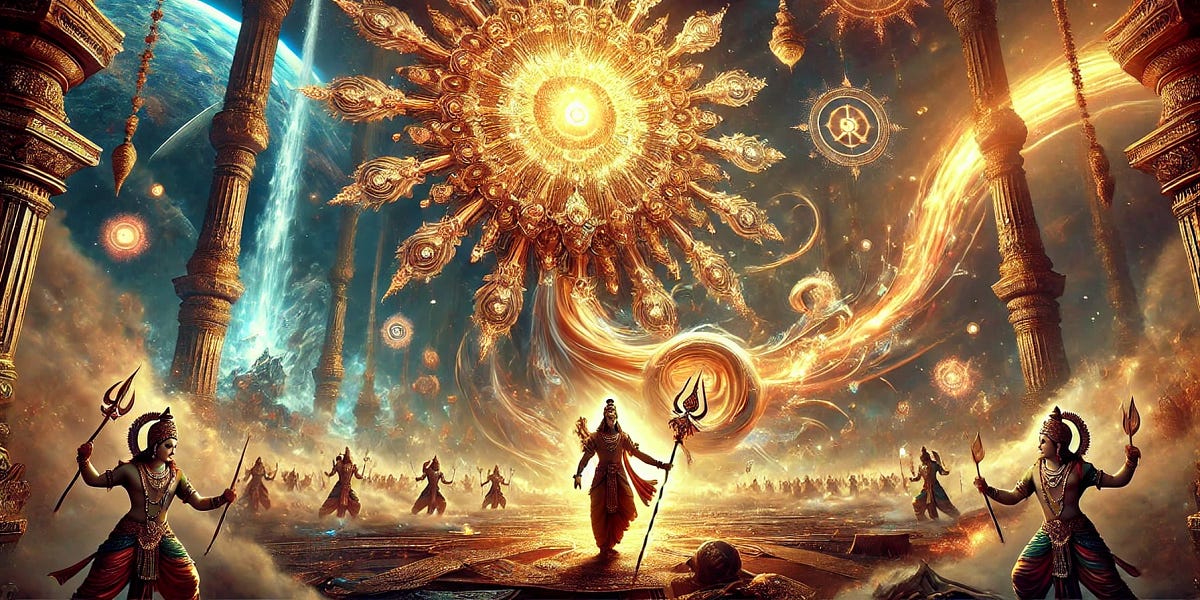
Power: Millions of self-guided celestial missiles
Purpose: Punishment of resistance
Wielder: Ashwatthama
The Narayanastra intensifies against resistance. The only defense is complete surrender. When Ashwatthama unleashed it, Lord Krishna instructed the Pandavas to lay down their weapons, neutralizing the attack.
5. Agneyastra – The Weapon of Fire
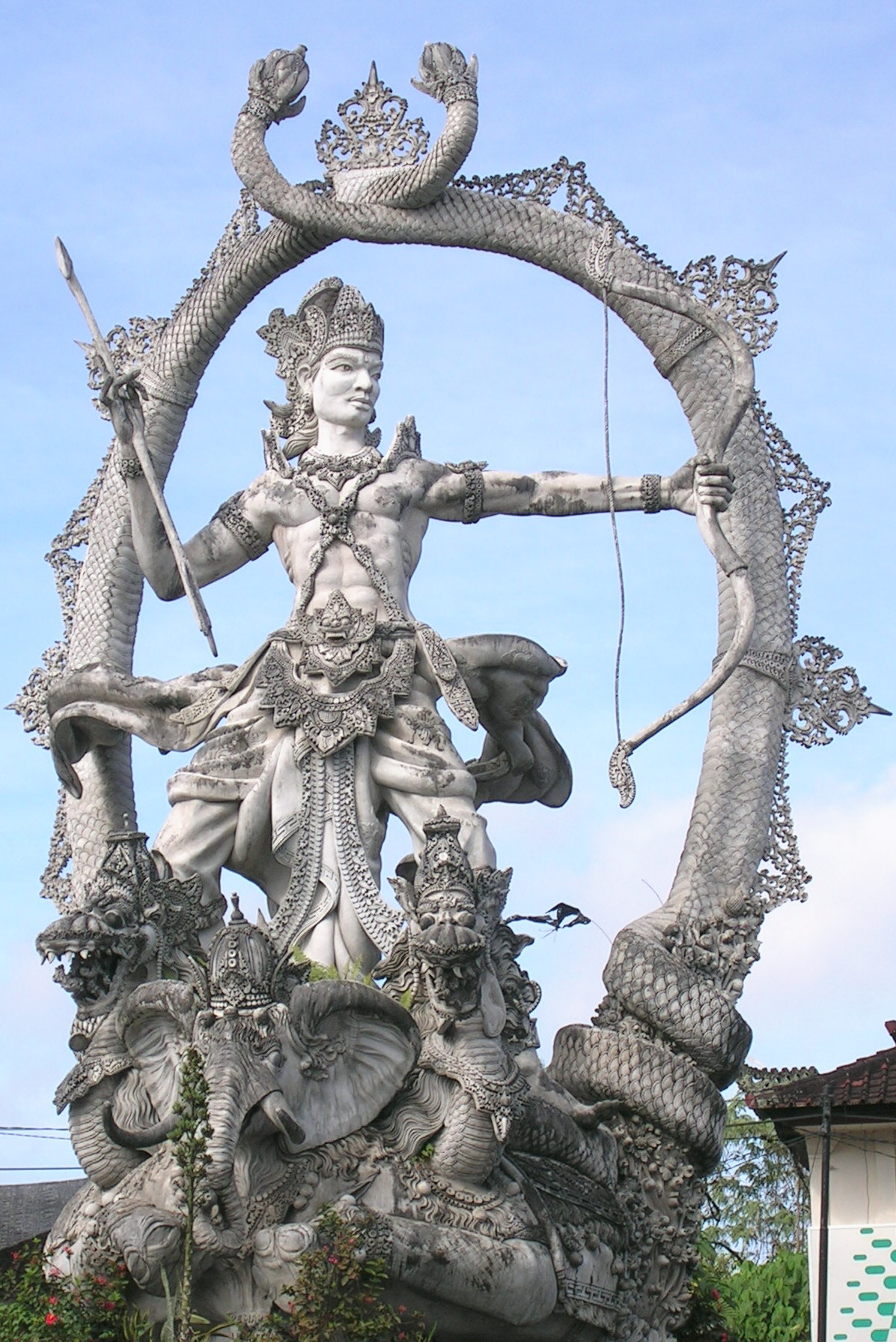
Power: Massive firestorms
Purpose: Destroy large enemy formations
Associated Deity: Agni
Agneyastra played a major role during the burning of the Khandava Forest and the Kurukshetra War, showcasing the raw destructive force of elemental weapons.
6. Gandiva – Arjuna’s Divine Bow

Power: Endless arrows, unmatched speed
Purpose: Protection of dharma
Wielder: Arjuna
Gifted by Agni, Gandiva symbolizes divine favor. It never broke or tired, making Arjuna the deadliest archer on the battlefield.
7. Brahmashira Astra – Enhanced Brahmastra

Power: Erases regions for generations
Purpose: Last-resort weapon
Wielders: Arjuna, Ashwatthama
This weapon caused devastation so severe that sages intervened to stop its use, emphasizing cosmic balance over destruction.
8. Vajra – Indra’s Thunderbolt
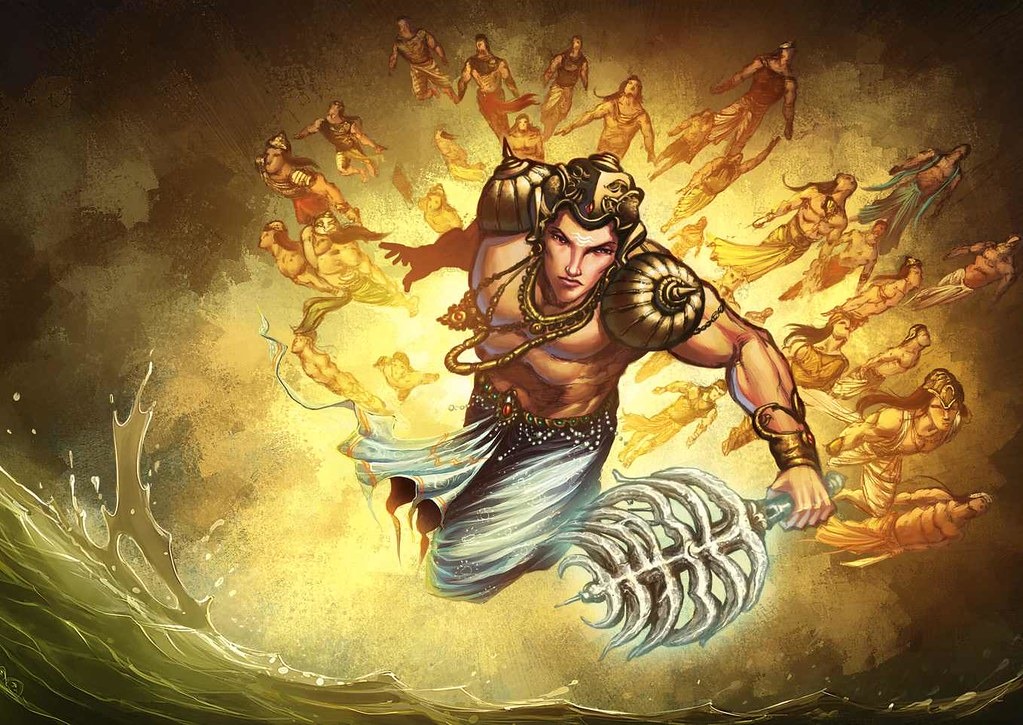
Power: Unstoppable lightning force
Purpose: Slay invincible demons
Origin: Sage Dadhichi’s sacrifice
The Vajra teaches that ultimate power is born from self-sacrifice, not ambition.
9. Nagastra – The Serpent Weapon
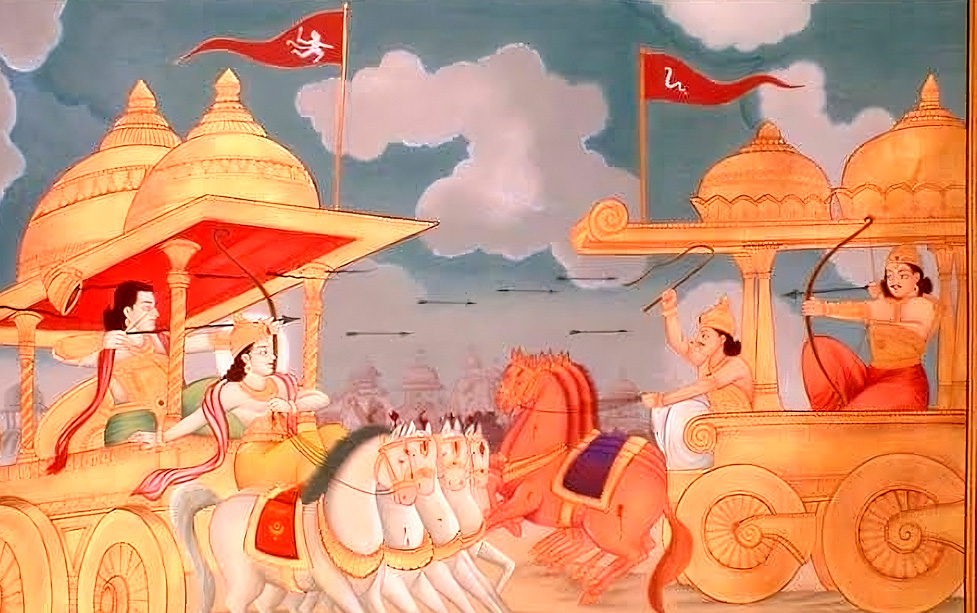
Power: Seeks and kills specific targets
Purpose: Precision attack
User: Karna
The serpent Ashwasena guided this weapon, but Krishna saved Arjuna by tilting the chariot.
10. Vasavi Shakti – Indra’s Deadliest Gift

Power: Guaranteed kill
Purpose: Righteous destruction
Used Against: Ghatotkacha
Though meant for Arjuna, Karna used it against Ghatotkacha, altering the course of the war.
What These Weapons Teach About Power and Responsibility
- Power without control leads to destruction
- Dharma is greater than strength
- Every action has consequences
- Wisdom outweighs raw power
The Mahabharata reminds us that weapons do not define greatness—character does.
Frequently Asked Questions: 10 Most Powerful Weapons in Mahabharata
Which is the most powerful weapon in the Mahabharata?
Answer: The Brahmastra is considered the most powerful weapon in the Mahabharata. It possessed the power to destroy entire kingdoms, civilizations, and even threaten the balance of the universe. It could only be countered by another Brahmastra or higher astras like the Brahmashira Astra.
What are astras in the Mahabharata?
Answer: Astras are divine, supernatural weapons that are activated through specific mantras and spiritual knowledge, not physical strength alone. They are gifts from gods such as Brahma, Shiva, Vishnu, and Indra and require discipline, purity, and control to use.
What is the difference between astra and shastra?
Answer: An astra is a mantra-powered divine weapon (like Brahmastra or Pashupatastra), while a shastra is a physical weapon such as a sword, bow, arrow, or mace that depends on physical skill and training.
Who had the knowledge of the Brahmastra?
Answer: Only a few warriors possessed the knowledge of Brahmastra, including Arjuna, Ashwatthama, Dronacharya, Karna, and Parashurama. However, only Arjuna had the ability to withdraw the weapon after invoking it.
Can Brahmastra be stopped or neutralized?
Answer: Yes, the Brahmastra can only be neutralized by another Brahmastra or a more powerful divine astra, such as the Brahmashira Astra. Ordinary weapons or physical force cannot stop it.
Why did Lord Krishna not use weapons in the Mahabharata war?
Answer: Lord Krishna took a vow not to use any weapons during the Kurukshetra War. Instead, he guided the Pandavas using wisdom, strategy, and divine counsel, proving that intelligence and dharma are greater than brute force.
Which weapon did Lord Shiva give to Arjuna?
Answer: Lord Shiva granted Pashupatastra to Arjuna after intense penance. It is considered one of the most destructive weapons in Hindu mythology, capable of destroying the entire universe if misused.
Why did Arjuna never use Pashupatastra in the war?
Answer: Arjuna refrained from using Pashupatastra because of its unimaginable destructive power. This reflects the Mahabharata’s core teaching that true strength lies in restraint and responsibility, not destruction.
What was Karna’s most powerful weapon?
Answer: Karna’s most powerful weapon was Vasavi Shakti, gifted by Indra. It guaranteed death upon use but could only be used once. Karna used it against Ghatotkacha, changing the course of the war.
What is Narayanastra and how can it be countered?
Answer: Narayanastra releases countless self-guided missiles that become stronger when resisted. The only way to counter it is complete surrender, by laying down weapons and showing humility.
What lessons do Mahabharata’s weapons teach us?
Answer: The divine weapons of the Mahabharata teach that:
- Power without control leads to destruction
- Dharma is greater than strength
- Knowledge must be guided by wisdom
- Every action has long-term consequences
Are Mahabharata weapons symbolic or real?
Answer: Mahabharata weapons are both symbolic and spiritual representations of cosmic forces. They symbolize moral responsibility, inner discipline, and divine law, rather than mere physical warfare.
Why are Mahabharata weapons still relevant today?
Answer: These weapons remain relevant because they highlight timeless principles such as ethical leadership, restraint, accountability, and righteous action, which are crucial in modern society as well.
Are astras mentioned only in the Mahabharata?
Answer: No, astras are mentioned across multiple Hindu scriptures, including the Ramayana, Puranas, and Vedas. However, the Mahabharata contains the most detailed and extensive usage of astras in warfare.
Why were astras not used frequently during the Kurukshetra War?
Answer: Astras were restricted due to their massive destructive potential. Using them excessively could destroy the earth itself. Warriors followed strict rules of warfare to preserve cosmic balance and civilian safety.
Did Karna possess Brahmastra?
Answer: Yes, Karna had the knowledge of Brahmastra but forgot the invocation mantra due to Parashurama’s curse. This played a crucial role in his downfall during the war.
Which warrior knew the maximum number of astras?
Answer: Arjuna is considered the warrior with the widest mastery of astras, having received knowledge directly from Indra, Shiva, Agni, and other celestial beings, along with the ability to withdraw them safely.
What happens if an astra is misused?
Answer: Misuse of an astra leads to severe karmic consequences, curses, loss of divine protection, and eternal suffering. Ashwatthama’s curse of immortality and suffering is the most prominent example.
Are astras symbolic or based on ancient science?
Answer: Astras are both symbolic and philosophical representations of cosmic forces and advanced metaphysical concepts rooted in Vedic science, emphasizing responsibility over raw power.
Conclusion
The 10 most powerful weapons in the Mahabharata were not symbols of violence alone. They represented cosmic law, restraint, sacrifice, and moral responsibility. From the Brahmastra to the Sudarshan Chakra, each weapon reinforces the truth that true power lies in dharma.
These ancient lessons remain deeply relevant today.
For more authentic Vedic knowledge, rituals, and expert pandit services, visit the official portal:
👉 https://www.panditjionway.com (Panditji on way)
For scriptural references, explore:
👉 https://www.britannica.com/topic/Mahabharata
👉 https://www.sacred-texts.com/hin/maha/
The 10 most powerful weapons in Mahabharata were not merely tools of war but profound symbols of dharma, discipline, and cosmic responsibility. Divine astras like the Brahmastra, Pashupatastra, Sudarshan Chakra, and Narayanastra demonstrate that true power lies not in destruction, but in wisdom, restraint, and righteous intent. The epic teaches that strength without morality leads to ruin, while self-control and devotion uphold universal balance. Even in the modern era, the lessons of these celestial weapons remain deeply relevant, reminding humanity that ethical action and spiritual awareness are the greatest forces of all.
For authentic Vedic knowledge, puja services, and expert pandit guidance, visit https://www.panditjionway.com.