


Kashi Vishwanath Temple: Dress Code, History & Significance (Complete Guide)
Shri Kashi Vishwanath Temple, also known as the Golden Temple of Lord Shiva, is among the most sacred pilgrimage destinations in Hinduism. Located in Varanasi, this revered shrine stands on the western bank of the holy Ganga and is one of the 12 Jyotirlingas of Lord Shiva.
This comprehensive guide covers history, spiritual significance, dress code, architecture, rituals, how to reach, and FAQs.Kashi Vishwanath Temple complete guide – history, significance, dress code, pujas, architecture & FAQs. Know why this sacred Jyotirlinga in Varanasi grants moksha and how to visit with proper rituals and darshan rules.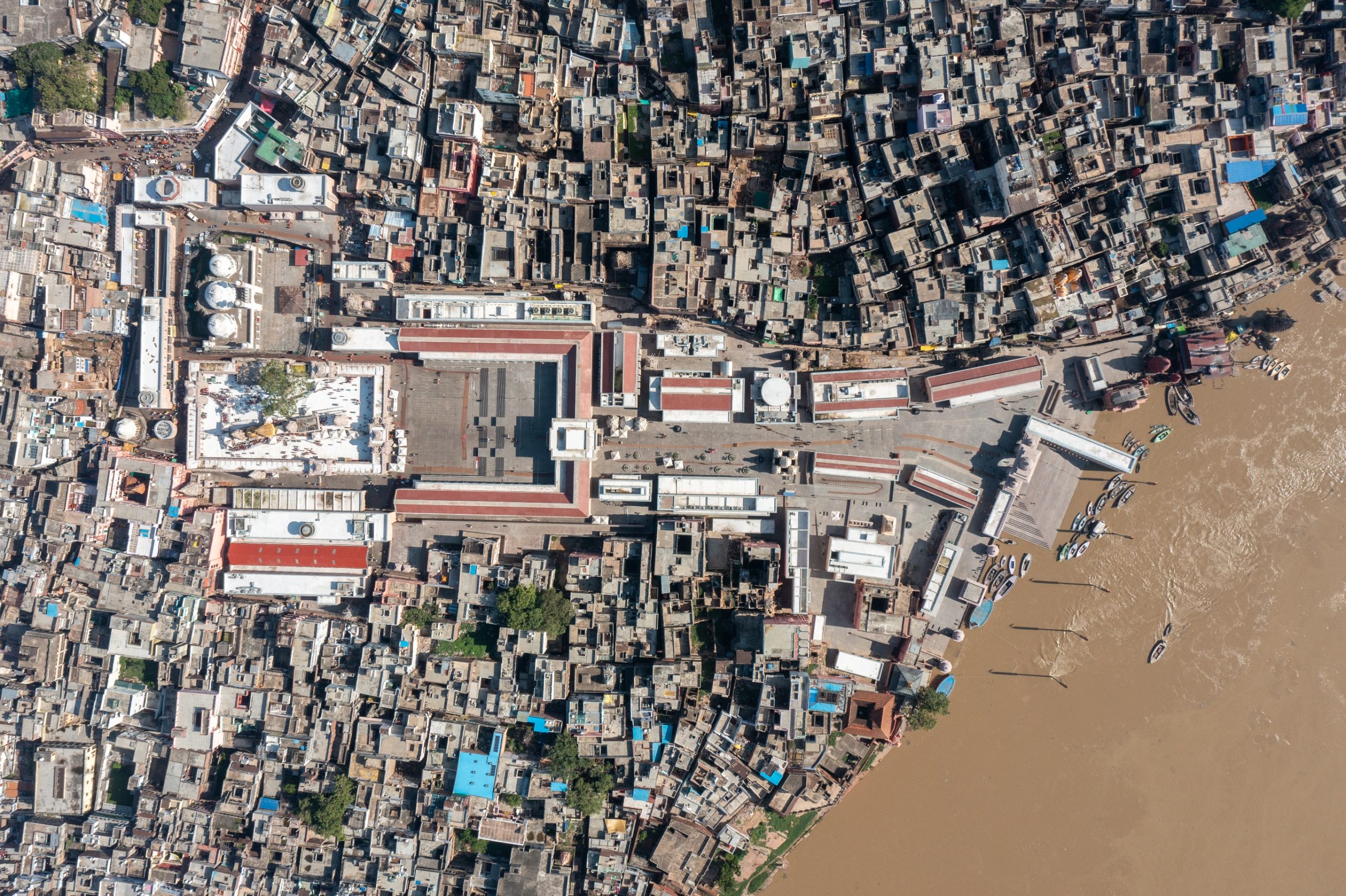

Introduction to Shri Kashi Vishwanath Temple
Shri Kashi Vishwanath Temple is one of the most ancient, powerful, and spiritually significant temples in Hinduism. Dedicated to Lord Shiva as Vishwanath (the Lord of the Universe), this sacred shrine is located in Varanasi, the eternal city also known as Kashi—a place believed to exist beyond time and destruction.
Revered as one of the 12 Jyotirlingas of Lord Shiva, Kashi Vishwanath Temple holds a unique position among all Shiva temples because Kashi itself is regarded as a Moksha Kshetra—a land where liberation from the cycle of birth and death is attainable. According to Hindu belief, a soul that departs from this world in Kashi attains moksha, as Lord Shiva himself grants liberation.
Scriptural Importance & Ancient Roots
The greatness of Shri Kashi Vishwanath Temple is extensively described in the Skanda Purana, particularly in the Kashi Khand, which glorifies Kashi as the holiest city and Vishwanath as the supreme protector of dharma. References to Kashi are also found in the Upanishads, Ramayana, and Mahabharata, establishing its spiritual prominence for thousands of years.
The name “Kashi” means the luminous one, symbolizing spiritual light and divine knowledge. It is believed that Lord Shiva never leaves Kashi, making Vishwanath the eternal ruler of this sacred land.
Why Kashi Vishwanath Temple Is Spiritually Unique
Unlike other pilgrimage sites, Kashi Vishwanath Temple is not visited merely for material blessings but for spiritual liberation. Devotees believe that:
-
Lord Shiva whispers the Taraka Mantra into the ears of devotees at the moment of death
-
A single darshan of the Jyotirlinga can cleanse lifetimes of karma
-
Worshipping here accelerates spiritual progress across all paths—bhakti, karma, and jnana
This belief makes Kashi Vishwanath Temple the ultimate pilgrimage for Shiva devotees.
The Golden Temple of Lord Shiva
Often called the Golden Temple of Lord Shiva, Shri Kashi Vishwanath Temple is famous for its gold-plated spire and dome, symbolizing immortality and divine consciousness. The sanctum houses the sacred Jyotirlinga, continuously worshipped through abhishek, aarti, and Vedic chanting for centuries without interruption.
The temple stands close to the River Ganga, reinforcing the belief that purification of the body (Ganga snan) and purification of the soul (Shiva darshan) together lead to liberation.
A Living Center of Faith & Devotion
Shri Kashi Vishwanath Temple is not just a monument—it is a living spiritual center visited by millions of devotees every year. Saints, scholars, ascetics, householders, and seekers from across India and the world gather here to experience the divine presence of Lord Shiva.
Great spiritual masters such as Adi Shankaracharya, Goswami Tulsidas, and Swami Vivekananda visited Kashi and acknowledged its unparalleled spiritual energy.
Why Every Hindu Aspires to Visit Kashi Vishwanath Once
-
One of the oldest functioning temples in the world
-
Supreme among all Jyotirlingas for moksha
-
Direct association with Lord Shiva
-
Sacred geography formed by Ganga, Varuna, and Assi rivers
-
Eternal spiritual vibrations unmatched anywhere else

History of Kashi Vishwanath Temple – A Detailed Chronological Account
The history of Shri Kashi Vishwanath Temple is a powerful story of faith, destruction, resilience, and rebirth. Spanning over two millennia, the temple stands as a living symbol of Hindu civilization’s endurance and devotion to Lord Shiva.
Ancient & Scriptural Origins
The origins of Kashi Vishwanath Temple trace back to Vedic times, making it one of the oldest continuously revered religious sites in the world.
-
The temple is glorified in the Skanda Purana, particularly the Kashi Khand, which describes Kashi as the eternal city of Lord Shiva
-
Scriptures state that Kashi never perishes, even during cosmic dissolution (Pralaya)
-
Lord Shiva is worshipped here as Vishwanath (Lord of the Universe)
Ancient sages believed that residing or dying in Kashi ensured moksha, giving the temple unmatched spiritual importance.
Kashi During the Mahajanapada Period (6th Century BCE)
-
Kashi was one of the 16 Mahajanapadas during the Iron Age
-
It emerged as a powerful spiritual and political kingdom
-
Varanasi served as its capital and a major center of Vedic learning, trade, and pilgrimage
During this period, Shiva worship flourished, and early temple structures are believed to have existed near the present site.
Early Medieval Period & First Destruction (1194 CE)
The temple faced its first major destruction in 1194 CE, when:
-
The army of Qutb-ud-din Aibak attacked Varanasi
-
The reigning King of Kannauj was defeated
-
The original temple structure was demolished
Despite this devastation, devotion to Lord Shiva never ceased, and worship continued secretly or through temporary shrines.
Reconstruction Under Iltutmish (13th Century)
-
The temple was rebuilt during the reign of Iltutmish
-
Varanasi regained its importance as a Shaivite center
-
Pilgrims and saints slowly returned to Kashi
However, peace was short-lived.
Second Destruction During Sikandar Lodi’s Rule (15th Century)
-
The temple was again destroyed under Sikandar Lodi
-
Hindu worship faced severe restrictions
-
Many idols were damaged or removed
Still, Kashi remained spiritually active through oral traditions, ghats, and underground worship practices.
Rebuilding by Raja Man Singh During Akbar’s Reign
-
In the late 16th century, Raja Man Singh of Amber rebuilt the Kashi Vishwanath Temple
-
This reconstruction occurred during the reign of Emperor Akbar, who was known for religious tolerance
-
The temple regained architectural stability and prominence
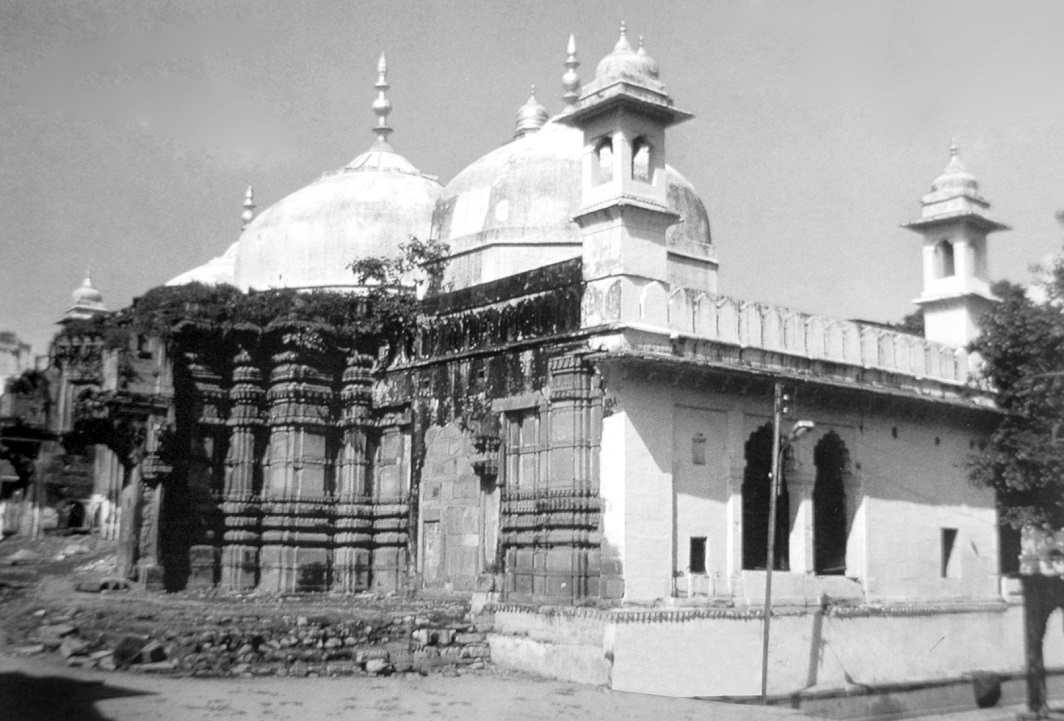
Aurangzeb’s Demolition & Gyanvapi Mosque (1669 CE)
One of the darkest chapters in the temple’s history occurred in 1669 CE:
-
Emperor Aurangzeb ordered the destruction of the temple
-
The Gyanvapi Mosque was constructed using remnants of the temple
-
The Shiva Lingam was believed to be hidden in the Gyanvapi well by priests to protect it
Despite this, devotees continued worship near the site, keeping faith alive.
Revival by Maharani Ahilyabai Holkar (1780 CE)
The modern structure of the temple owes its existence to:
-
Maharani Ahilyabai Holkar of Indore
-
She rebuilt the temple in 1780 CE adjacent to the mosque
-
Used traditional Nagara-style architecture
-
Restored public worship and pilgrimage
Her contribution is considered one of the greatest acts of temple restoration in Indian history.
Golden Era: Contribution of Maharaja Ranjit Singh
-
Maharaja Ranjit Singh, the Sikh ruler of Punjab, donated gold to plate the temple’s domes
-
Approximately 800 kg of gold was used
-
This earned the temple the title “Golden Temple of Lord Shiva”
This period marked renewed prosperity and grandeur for the shrine.
Colonial Period to Modern Administration
-
During British rule, the temple remained a major pilgrimage center
-
Post-Independence, management issues arose due to rising footfall
-
In 1983, the temple came under the control of the Uttar Pradesh Government
-
Administration was formalized under Shri Kashi Vishwanath Temple Trust
Kashi Vishwanath Corridor Project (21st Century)
In recent years:
-
The Kashi Vishwanath Corridor transformed access to the temple
-
Direct connectivity established between the temple and the Ganga Ghats
-
Ancient structures uncovered and preserved
-
Improved facilities while maintaining spiritual sanctity
This marked a historic revival of Kashi’s ancient glory.
Why the History of Kashi Vishwanath Temple Is Unique
-
Destroyed and rebuilt multiple times, yet never abandoned
-
Worship never stopped, even during invasions
-
Supported by Hindu, Maratha, and Sikh patrons
-
Symbol of Sanatan Dharma’s resilience
Spiritual Legacy of the Temple
The temple’s history reinforces the belief that:
“Kashi is eternal, and so is Lord Shiva.”
Each reconstruction strengthened devotion rather than weakened it, making Kashi Vishwanath Temple not just a monument—but a living, breathing spiritual force.
About Kashi (Varanasi)
Kashi was one of the sixteen Mahajanapadas during the Iron Age. The city is geographically defined by three rivers:
- Varuna (North)
- Assi (South)
- Ganga (West)
Mentioned in the Ramayana and Mahabharata, Kashi has always been a spiritual and cultural capital of India.
Spiritual Significance of Kashi Vishwanath Temple
- One of the 12 Jyotirlingas of Lord Shiva
- Belief that Lord Shiva whispers the Taraka Mantra in the ears of devotees who pass away in Kashi
- Visiting the temple after a holy dip in the Ganga is considered highly auspicious
- Saints like Adi Shankaracharya, Goswami Tulsidas, and Swami Vivekananda visited this sacred shrine
Popular Pujas at Kashi Vishwanath Temple – Complete & Detailed Guide
Performing sacred pujas at Shri Kashi Vishwanath Temple is considered extremely powerful, as the temple houses one of the 12 Jyotirlingas of Lord Shiva. Rituals performed here are believed to give faster spiritual and karmic results due to the divine energy of Kashi, the eternal city of Lord Shiva.
Below is a detailed explanation of the most popular and spiritually significant pujas.
Rudrabhishek Puja at Kashi Vishwanath Temple
Rudrabhishek is the most revered puja performed at Kashi Vishwanath Temple and is recommended in almost all Shaivite scriptures.
How Rudrabhishek is Performed
-
The sacred Jyotirlinga is bathed with:
-
Milk
-
Honey
-
Ghee
-
Curd
-
Sugar
-
Holy Ganga Jal
-
-
Priests chant Rudra Sukta and Vedic mantras from the Yajurveda
-
The ritual ends with bilva leaf offerings and aarti
Benefits of Rudrabhishek Puja
-
Removes obstacles and negativity
-
Brings peace, prosperity, and family harmony
-
Reduces effects of planetary afflictions
-
Helps in health, career, and business growth
-
Highly recommended during Shravan month and Mahashivratri
Kaal Sarp Dosh Nivaran Puja
Kaal Sarp Dosh occurs when all planets are placed between Rahu and Ketu in a birth chart. Performing this puja in Kashi is considered extremely effective.
Why Perform This Puja in Kashi
-
Kashi is ruled by Lord Shiva, who controls time and karma
-
Doshas dissolve faster in Jyotirlinga kshetras
Benefits of Kaal Sarp Dosh Puja
-
Reduction in sudden obstacles
-
Improvement in financial stability
-
Delay in marriage starts resolving
-
Business and career blockages reduce
-
Mental stress and fear decrease
Navagraha Shanti Puja
This puja is performed to balance the energies of the nine planets (Navagrahas) that influence human life.
Planets Covered
Sun, Moon, Mars, Mercury, Jupiter, Venus, Saturn, Rahu, and Ketu
Benefits of Navagraha Shanti Puja
-
Reduces malefic planetary effects
-
Improves health and mental clarity
-
Enhances career growth and education
-
Brings peace in relationships
-
Strengthens destiny-related weaknesses
Navagraha Shanti performed at Kashi Vishwanath is believed to give lifelong planetary protection.
Rin Mukti Puja (Debt Relief Puja)
Rin Mukti Puja is performed to seek freedom from financial debts, loans, and ancestral obligations.
Who Should Perform Rin Mukti Puja
-
Individuals facing long-term debts
-
Business losses or financial instability
-
Ancestral financial burdens
-
Repeated loan rejections
Benefits of Rin Mukti Puja
-
Gradual clearance of loans
-
New income opportunities
-
Improved savings and money flow
-
Relief from financial anxiety
-
Long-term financial discipline
Mahamrityunjaya Jaap Puja
This powerful mantra jaap is dedicated to Lord Shiva as the conqueror of death.
When to Perform
-
During serious illness
-
For longevity and protection
-
During major life transitions
-
For mental and emotional healing
Benefits
-
Protection from untimely death
-
Faster recovery from illness
-
Inner strength and fearlessness
-
Spiritual upliftment
Shiv Puran Katha & Abhishek Seva
Listening to Shiv Puran Katha in Kashi is considered equal to years of penance.
Benefits
-
Cleansing of past karmas
-
Strengthening devotion to Lord Shiva
-
Peaceful family life
-
Spiritual awakening
Special Occasions for Performing Pujas in Kashi
-
Mahashivratri
-
Shravan Month (Sawan Somvar)
-
Pradosh Vrat
-
Monday fasting
-
Amavasya & Purnima
Why Pujas at Kashi Vishwanath Temple Are More Powerful
-
Presence of Jyotirlinga
-
Kashi is a Moksha Kshetra
-
Continuous Vedic chanting for centuries
-
Direct association with Lord Shiva
-
Sacred proximity to the River Ganga
Online Puja & Pandit Booking
Devotees can book experienced and verified Vedic pandits for all Kashi Vishwanath Temple pujas through
👉 https://www.panditjionway.com
Key Benefits:
-
Zero upfront payment
-
Pay after confirmation
-
Trusted pandits
-
Complete samagri support

Kashi Vishwanath Temple Architecture – Detailed & In-Depth Guide
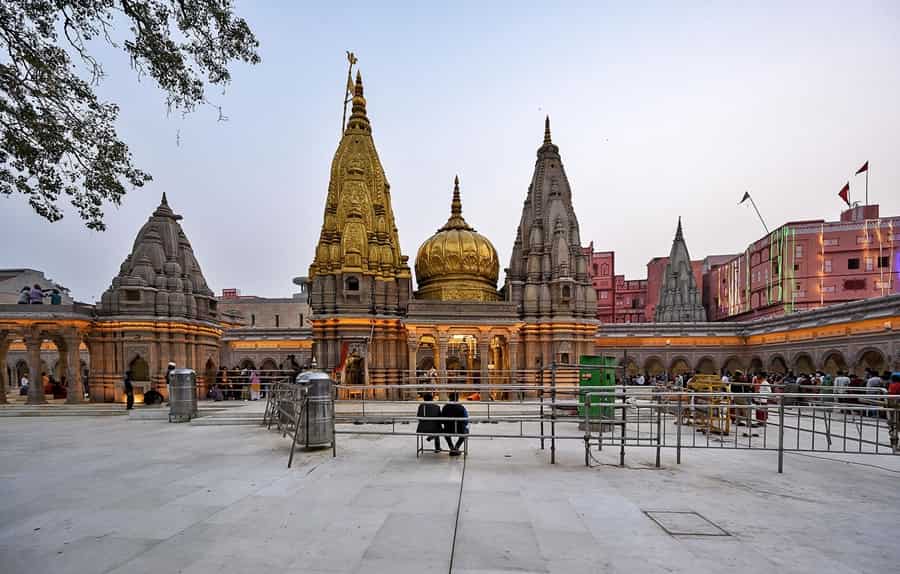
The architectural grandeur of Shri Kashi Vishwanath Temple reflects a unique blend of ancient Nagara-style Hindu temple design, spiritual symbolism, and historical resilience. Though modest in size compared to South Indian temples, its spiritual power, sacred geometry, and gold-clad structure make it one of the most revered architectural marvels in India.
Overall Layout & Temple Complex Design
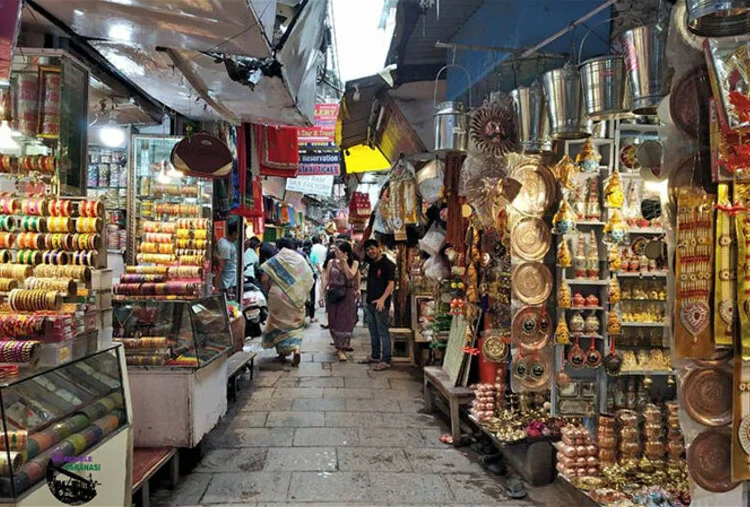
The Kashi Vishwanath Temple is situated in Vishwanath Gali, a narrow sacred lane leading devotees into the spiritual heart of Varanasi.
The temple complex is rectangular (quadrangular) in layout and houses multiple shrines, symbolizing the cosmic presence of various deities surrounding Lord Shiva.
The design emphasizes spiritual intimacy rather than monumental scale, aligning with the belief that Kashi is the subtle abode of Lord Shiva.
Main Sanctum (Garbhagriha) – Abode of the Jyotirlinga
At the core of the temple lies the Garbhagriha, where the sacred Shiva Jyotirlinga is installed.
Architectural highlights:
-
Square-shaped sanctum representing stability and cosmic order
-
The Jyotirlinga is placed on a silver altar
-
Constant abhishek rituals using milk, water, honey, and Ganga jal
-
Low illumination to enhance meditative focus
The sanctum’s design follows Vedic principles, ensuring energy concentration at the central axis.
Shikhara (Spire) – Symbol of Mount Kailash
Rising above the sanctum is the Nagara-style Shikhara, symbolizing Mount Kailash, the celestial home of Lord Shiva.
Key features:
-
Tall, curvilinear vertical tower
-
Represents the axis mundi connecting Earth and the cosmos
-
Designed to channel spiritual energy upward
Gold-Plated Dome & Spire
One of the most striking features of Kashi Vishwanath Temple is its gold-plated dome and spire, making it popularly known as the Golden Temple of Lord Shiva.
-
Approximately 800 kilograms of gold used in plating
-
Gold donated by Maharaja Ranjit Singh
-
The uppermost spire bears a Trishul (trident) and Dhwaja (flag)
The gold symbolizes purity, immortality, and divine consciousness.
Mandapa (Assembly Hall)
The Mandapa serves as the transitional space between the outer world and the sanctum.
Architectural elements:
-
Stone pillars with minimal carvings
-
Space for priests and devotees during rituals
-
Designed for controlled movement due to high footfall
The simplicity reflects the Shaivite philosophy of inner devotion over external grandeur.
Gyanvapi Well – Architectural & Spiritual Core
Within the temple complex lies the ancient Gyanvapi Well, an integral architectural and spiritual component.
Significance:
-
Believed to have protected the original Shivling during invasions
-
Name means “Well of Wisdom”
-
Stone-lined circular structure
-
Only Hindu devotees allowed near the well
Architecturally, it represents preservation of sacred energy despite historical upheavals.
Subsidiary Shrines & Deity Alignment
The complex includes shrines dedicated to:
-
Lord Ganesha
-
Lord Vishnu
-
Lord Shani
-
Lord Bhairava
-
Avimukteshwara
These shrines are strategically positioned to form a protective spiritual mandala around the Jyotirlinga, following tantric and Vedic spatial principles.
Kashi Vishwanath Corridor – Modern Architectural Integration
The recently developed Kashi Vishwanath Corridor enhances the temple’s architectural experience while preserving sanctity.
Features:
-
Wide stone pathways connecting the temple to the Ganga Ghats
-
Traditional sandstone construction
-
Murals, sculptures, and inscriptions from Shaivite scriptures
-
Improved crowd flow without disturbing the original temple core
This integration reflects a harmonious blend of heritage and modern planning.
Architectural Symbolism & Spiritual Geometry
Every architectural element of the temple holds symbolic meaning:
-
Square sanctum – balance and cosmic order
-
Vertical spire – ascent of soul toward liberation
-
Gold plating – eternal consciousness
-
Proximity to Ganga – purification and moksha
The temple’s architecture aligns with the belief that Kashi exists beyond time and destruction.
Why Kashi Vishwanath Architecture Is Unique
-
Not monumental, yet spiritually supreme
-
Rebuilt multiple times yet retains sacred continuity
-
Combines ancient Hindu design, Maratha craftsmanship, and Sikh patronage
-
Designed for energy flow rather than visual opulence

Dress Code for Visiting Kashi Vishwanath Temple
Strict dress guidelines are enforced by the Shri Kashi Vishwanath Parishad:
- Men: Dhoti–Kurta
- Women: Saree
- Mandatory for Sparsh Darshan
- Devotees not following dress code can only do darshan from outside the sanctum
Important Visitor Information
- Located on the western bank of River Ganga
- Only Hindu devotees allowed near the Gyanvapi well
- Mobile phones, cameras, electronics not allowed
- Lockers available outside the temple
- Foreign devotees enter via Gate No. 2
- Kashi Naresh traditionally visits on Mahashivratri
How to Reach Kashi Vishwanath Temple
- By Air: Lal Bahadur Shastri International Airport, Varanasi
- By Rail: Well-connected to Lucknow, Patna, Prayagraj, Kanpur
- By Road: Excellent road connectivity across Uttar Pradesh
Why Devotees Trust Panditji On Way
- 24/7 pandit booking
- Verified & experienced Vedic pandits
- Zero upfront cost
- Pay after confirmation
- Pan-India service availability
Frequently Asked Questions – Kashi Vishwanath Temple
What is Shri Kashi Vishwanath Temple and why is it famous?
Shri Kashi Vishwanath Temple is one of the 12 Jyotirlingas of Lord Shiva, located in Varanasi. It is famous for granting moksha (salvation), its mention in ancient scriptures like the Skanda Purana, and its spiritual belief that Lord Shiva liberates devotees from the cycle of rebirth.
Where is Kashi Vishwanath Temple located exactly?
Kashi Vishwanath Temple is located in Varanasi, Uttar Pradesh, on the western bank of the holy River Ganga, near Vishwanath Gali. Varanasi is considered the spiritual capital of India and one of the world’s oldest continuously inhabited cities.
What is the spiritual significance of Kashi Vishwanath Temple?
The temple is believed to be the place where Lord Shiva whispers the Taraka Mantra into the ears of devotees at the time of death. Visiting Kashi Vishwanath Temple after a holy dip in the Ganga is believed to help devotees attain moksha and freedom from karma.
What is the dress code for Kashi Vishwanath Temple darshan?
The official dress code requires men to wear dhoti–kurta and women to wear saree, especially for Sparsh Darshan. Devotees not following the dress code are allowed darshan only from outside the sanctum. Decent traditional attire is mandatory.
Is the dress code compulsory for all devotees?
Yes, the dress code is strictly compulsory for Sparsh Darshan as per Shri Kashi Vishwanath Parishad rules. Devotees not wearing prescribed attire may still have darshan from outside the sanctum but cannot touch the Shivling.
Which pujas are most powerful at Kashi Vishwanath Temple?
The most powerful pujas include Rudrabhishek Puja, Kaal Sarp Dosh Nivaran Puja, Navagraha Shanti Puja, and Rin Mukti Puja. These pujas help remove obstacles, reduce planetary doshas, improve finances, and bring mental peace.
Can I book Rudrabhishek or special puja online for Kashi Vishwanath?
Yes, devotees can book experienced Vedic pandits online for Kashi Vishwanath Temple pujas through trusted platforms like
👉 https://www.panditjionway.com
which offers verified pandits, zero upfront cost, and pay-after-confirmation services.
Is Kashi Vishwanath Temple open for foreign devotees?
Yes, foreign devotees are allowed to visit Kashi Vishwanath Temple. Entry for foreign nationals is provided through Gate No. 2, following temple security and darshan regulations.
Are mobile phones and cameras allowed inside the temple?
No, mobile phones, cameras, smartwatches, and electronic devices are strictly prohibited inside the temple premises. Lockers are available outside the temple for safe storage.
What is Gyanvapi well and why is it important?
The Gyanvapi well is a sacred well inside the temple complex. It is believed that the original Shivling was hidden here to protect it from invaders. Only Hindu devotees are allowed access near the well.
How old is Kashi Vishwanath Temple?
The temple’s origins date back over 2,000 years, with references found in ancient Hindu scriptures. Although it was destroyed and rebuilt several times, the current structure was reconstructed in 1780 by Maharani Ahilyabai Holkar.
How can devotees reach Kashi Vishwanath Temple easily?
Devotees can reach Varanasi by air, rail, and road. The nearest airport is Lal Bahadur Shastri International Airport. Varanasi Junction connects major Indian cities, and road connectivity is excellent across Uttar Pradesh.
Why is Varanasi called the city of Lord Shiva?
Varanasi is believed to be the eternal abode of Lord Shiva, where time does not affect spiritual liberation. Scriptures state that Lord Shiva himself resides in Kashi and protects devotees seeking salvation.
Which scriptures mention Kashi Vishwanath Temple?
The glory of Kashi Vishwanath Temple is described in the Skanda Purana (Kashi Khand), along with references in other Hindu texts that highlight Kashi as the supreme spiritual center.
Is Kashi Vishwanath Temple one of the Jyotirlingas?
Yes, Kashi Vishwanath Temple is one of the 12 Jyotirlingas of Lord Shiva, making it one of the most powerful and sacred Shiva temples in India.
Why should devotees visit Kashi Vishwanath Temple at least once?
A visit to Kashi Vishwanath Temple is believed to cleanse past karmas, remove fear of death, and grant spiritual liberation. It is considered a once-in-a-lifetime pilgrimage for every Shiva devotee.
Final Glimpse
Kashi Vishwanath Temple is not just a shrine but a gateway to liberation. A visit here connects devotees to centuries of devotion, Vedic wisdom, and divine grace. Whether for darshan, puja, or spiritual awakening, Kashi remains unmatched.
External High-Authority Reference
- Official Temple Trust: https://www.shrikashivishwanath.org
- Incredible India (Tourism): https://www.incredibleindia.gov.in
Conclusion
The Shri Kashi Vishwanath Temple is not just a sacred shrine but a timeless spiritual gateway to moksha and divine liberation. Revered as one of the 12 Jyotirlingas of Lord Shiva, this holy temple in Varanasi holds immense religious, historical, and cultural significance.
From its ancient references in the Skanda Purana to its glorious reconstruction by Maharani Ahilyabai Holkar, the temple stands as a symbol of unwavering devotion. Following the prescribed dress code, performing sacred pujas like Rudrabhishek, and taking a holy dip in the River Ganga elevate the spiritual experience manifold.
Devotees from across India and the world visit Kashi Vishwanath Temple to seek peace, remove karmic obstacles, and attain liberation. For authentic rituals and expert guidance, devotees can book experienced pandits through https://www.panditjionway.com, India’s trusted online puja booking platform.
A journey to Kashi Vishwanath is truly a journey toward spiritual awakening and eternal bliss.