
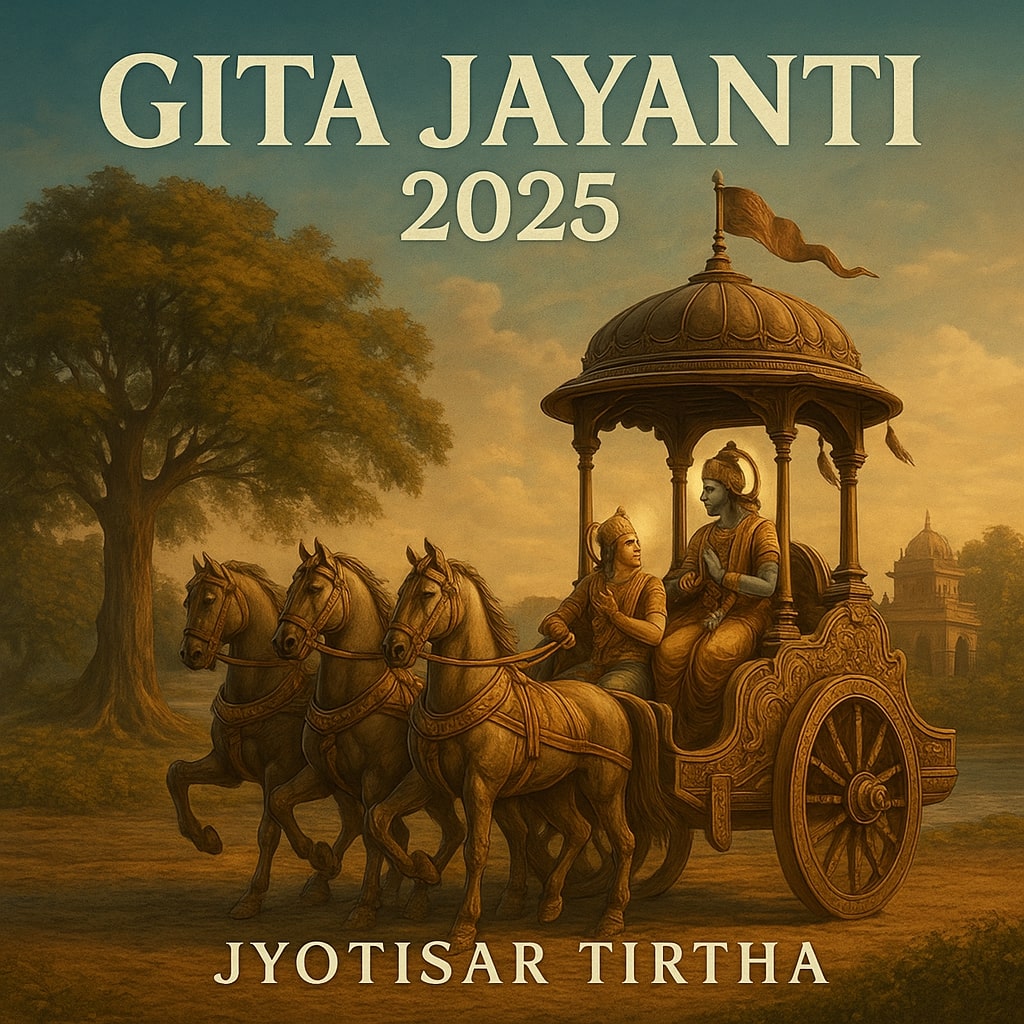
Gita Jayanti 2025: The Divine Day Lord Krishna Spoke the Bhagavad Gita at Kurukshetra – History, Importance, Rituals, Vidya Daan, and Donation Guide
Gita Jayanti is one of the most sacred days in Sanatana Dharma, celebrated as the divine anniversary of the moment when Lord Shri Krishna spoke the Bhagavad Gita, the eternal spiritual guidebook for humanity. This historic event took place more than 5000 years ago at Jyotisar Tirtha, Kurukshetra, where Krishna stood as Parthasarathi, the charioteer of Arjuna, and delivered the 700-verse scripture that continues to illuminate the world today.
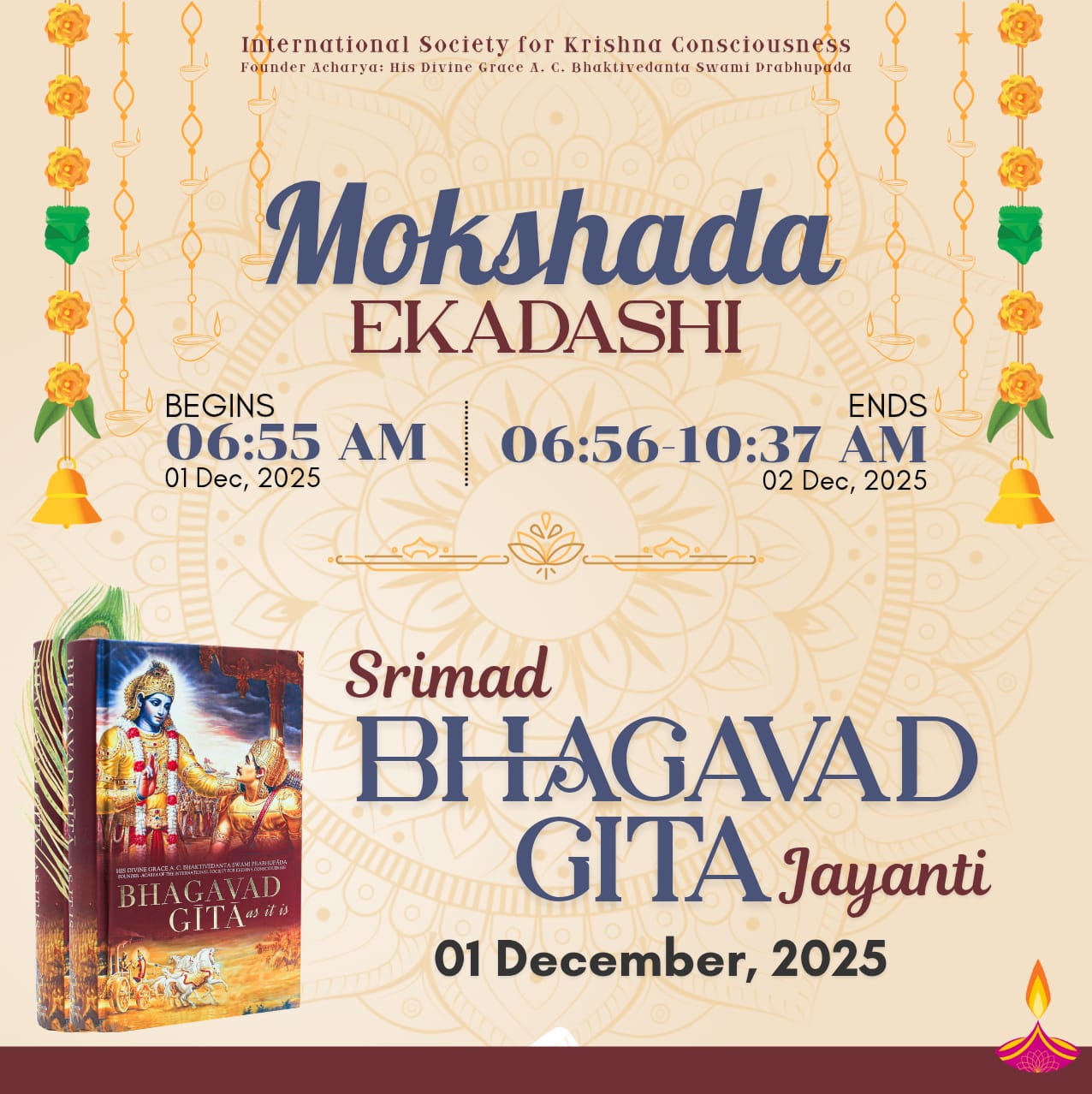
Gita Jayanti falls on Margashirsha Shukla Ekadashi, also called Mokshada Ekadashi, a day associated with spiritual liberation, atonement of sins, and deep inner purification.
This comprehensive guide explains the historical setting, battlefield atmosphere, role of sages, scriptural references, rituals, and the significance of Vidya Daan.
Origin of Gita Jayanti: The Sacred Scene at Kurukshetra
To fully appreciate Gita Jayanti, one must visualize the intense atmosphere of that historic dawn at Kurukshetra. The Bhagavad Gita was not spoken in a peaceful hermitage, but amid the roar of conches, the tension of armies, and the heavy burden of Dharma.
The Battlefield Setting
The Pandava army had taken position on the western side of Kurukshetra, facing east. A vast lake shimmered beside them, reflecting the rising sun. Soldiers stood in disciplined rows, their armor gleaming, horses restless, and elephants adorned with royal ornaments.
Across the battlefield, the Kauravas organized their forces with eleven Akshauhinis, commanded by Bhishma, the formidable grandsire. A white royal umbrella, symbol of authority, rose above the Kaurava formation.
The earth trembled under the movement of troops. War drums boomed. Conches were blown, creating a sound that echoed across the heavens. Flags depicting divine symbols fluttered. A storm of emotions—courage, fear, duty, anger, pride—charged the air.
This was the moment when Krishna chose to speak the divine Gita.
The Dharma-Yuddha Conditions
Before the war began, both sides met to finalize the rules of Dharma-Yuddha, the code of a righteous war:
- Equals would fight equals.
- Those who surrendered would be spared.
- No harm to non-combatants like charioteers, animals, or attendants.
- Combat was allowed only until sunset.
These rules reveal the ethics and integrity that defined ancient warfare.
Arrival of Sage Vyasa and Sanjaya’s Divine Vision
On the eve of battle, Sage Vyasa visited his son Dhritarashtra, the blind king of the Kauravas. He warned:
“All your sons will perish. The destruction is destined.”
Dhritarashtra refused the gift of divine sight, unable to bear the vision of his sons dying. Instead, Vyasa bestowed divya-drishti (divine vision) upon Sanjaya, enabling him to:
- See the battlefield day and night
- Hear thoughts and unspoken intentions
- Narrate real-time events
- Explain the philosophical conversations
The entire Mahabharata war narrative is preserved through Sanjaya’s eyes.
The Vast Army Formations: Kauravas and Pandavas
Kaurava Army
Eleven Akshauhinis assembled under Bhishma:
One Akshauhini consisted of
21870 chariots,
21870 elephants,
65610 horses,
109350 infantry soldiers.
Bhishma’s chariot, pulled by white horses, bore a golden standard. His chariot radiated brilliance in the golden dawn.
Pandava Army
Seven Akshauhinis were arranged in the Vajra Vyuha, Lord Indra’s favorite battle formation. Arjuna’s chariot, driven by Krishna and carrying Hanuman on its banner, was the most revered sight.
Yudhishthira expressed concern about the disproportion in numbers, but Arjuna assured him that strategic placement would overcome numerical disadvantage.
Krishna then instructed Arjuna to behold the Kaurava forces. This moment led to Arjuna’s moral crisis and ultimately the revelation of the Bhagavad Gita.
The Revelation of the Bhagavad Gita at Jyotisar Tirtha
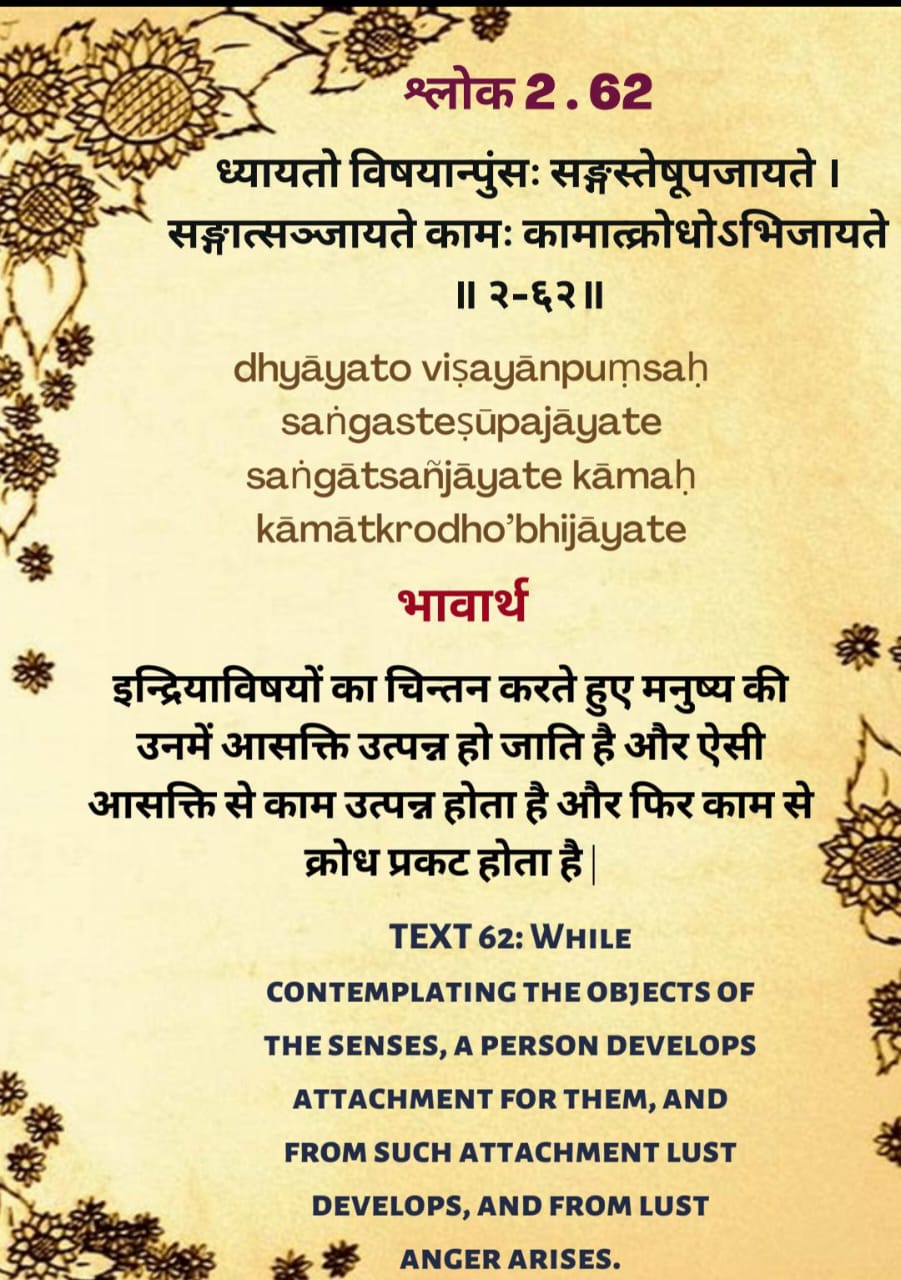
As Arjuna hesitated, overwhelmed by compassion and confusion, Krishna began to speak. The sacred Gita flowed from His lips—verses that uplift the soul, clarify duty, dissolve fear, and reveal the path to God.
Today, at Jyotisar Tirtha, a monument depicts Krishna as Parthasarathi and Arjuna on the chariot. It is believed that the tree standing beside the shrine is a continuous growth from the original tree that witnessed the discourse.
Countless devotees visit the sacred site, feeling the presence of Krishna’s timeless message.
Mokshada Ekadashi: The Ekadashi of Liberation
Gita Jayanti coincides with Mokshada Ekadashi, detailed in the Brahmanda Purana. Lord Krishna narrated its glory to Yudhishthira.
The story of King Vaikhanasa and his father suffering in hell is central to this Ekadashi’s significance. By observing the fast and donating its merits, the king liberated his father. This illustrates the immense spiritual potency of Mokshada Ekadashi.
Lord Damodara is worshipped with:
- Incense
- Ghee lamp
- Fresh flowers
- Tulsi manjaris
This Ekadashi grants liberation, purity, and upliftment of ancestors.
How Devotees Celebrate Gita Jayanti
1. Recitation of all 18 chapters
Devotees read the complete Bhagavad Gita from early morning to the next morning. Many temples organize collective recitation.
2. Gita Havan or Gita Ahuti
Each shloka is offered into the fire. This ritual symbolizes offering our impurities to divine flames.
3. Deep Daan
Thousands gather at Brahma Sarovar, offering lamps that create a magnificent glow symbolizing wisdom over ignorance.
4. Processions and Cultural Programs
Shobha yatras, discourses, and seminars highlight the deeper truths of the Gita.
5. Pilgrimage to Jyotisar Tirtha
Pilgrims physically visit the birthplace of the Gita, connect with its spiritual vibrations, and pray before Krishna and Arjuna’s chariot.
6. Vidya Daan: Distribution of Bhagavad Gita
Distributing the Gita is considered one of the highest forms of charity.
The Importance of Vidya Daan on Gita Jayanti
Vidya Daan means gifting spiritual knowledge. Scriptures declare it the most powerful form of charity.
Supporting statements include:
- Srimad Bhagavatam 10.22.35: Duty of all beings to do welfare for others
- Bhagavad Gita 2.40: Even small service to Krishna removes fear
- Srimad Bhagavatam 10.11.11: Krishna’s mercy brings prosperity
By donating or distributing Gita books, one helps spread eternal wisdom and earns spiritual merit.

Donation for Bhagavad Gita Distribution
You can donate by scanning the official Temple QR Code.
After donating, send the screenshot on WhatsApp at 9664453781 for confirmation.
Options for donors:
- Sponsor Bhagavad Gitas for distribution
- Sponsor Srimad Bhagavatam sets
- Support value-education programs
- Request books to distribute personally
Distributing even a single Gita brings immense blessings.
Participate in Vidya Daan today and illuminate countless lives with spiritual wisdom.
To donate for Bhagavad Gita distribution, use the Temple QR Code and send proof to 9664453781.

All answer for this
Why Gita Jayanti is celebrated, Bhagavad Gita distribution donation, Gita Jayanti rituals, Ekadashi fasting rules, best charity on Gita Jayanti
What happened on Gita Jayanti, Where was Bhagavad Gita spoken, How to celebrate Gita Jayanti at home, Importance of Mokshada Ekadashi fasting
Use these as Knowledge purpose:
- https://Books catalog
- https://vedabase.io
- https://drive.google.com/file/d/1EVfNsZxmUKQoCZzcnNbmB3aV1fWHhICl/view?usp=drivesdkhttps://bhagavad-gita.org
- 108 important slokas👇
https://drive.google.com/file/d/17OI61M1cDboMpdmSDS7ZQsGLdRdHtgA9/view?usp=drivesdk https://www.hindupedia.com
These pages have scholarly value.
ब्रह्माण्ड पुराण का मौलिक वर्णन — मोक्षदा एकादशी (मूल हिंदी/संस्कृत अंश)
युधिष्ठिर बोले: देवदेवेश्वर ! मार्गशीर्ष मास के शुक्लपक्ष में कौन सी एकादशी होती है ? उसकी क्या विधि है तथा उसमें किस देवता का पूजन किया जाता है? स्वामिन् ! यह सब यथार्थ रुप से बताइये ।
श्रीकृष्ण ने कहा : नृपश्रेष्ठ ! मार्गशीर्ष मास के शुक्लपक्ष की एकादशी का वर्णन करुँगा, जिसके श्रवणमात्र से वाजपेय यज्ञ का फल मिलता है । उसका नाम ‘मोक्षदा एकादशी’ है जो सब पापों का अपहरण करनेवाली है । राजन् ! उस दिन यत्नपूर्वक तुलसी की मंजरी तथा धूप दीपादि से भगवान दामोदर का पूजन करना चाहिए । पूर्वाक्त विधि से ही दशमी और एकादशी के नियम का पालन करना उचित है । मोक्षदा एकादशी बड़े-बड़े पातकों का नाश करनेवाली है । उस दिन रात्रि में मेरी प्रसन्न्ता के लिए नृत्य, गीत और स्तुति के द्वारा जागरण करना चाहिए । जिसके पितर पापवश नीच योनि में पड़े हों, वे इस एकादशी का व्रत करके इसका पुण्यदान अपने पितरों को करें तो पितर मोक्ष को प्राप्त होते हैं । इसमें तनिक भी संदेह नहीं है ।
पूर्वकाल की बात है, वैष्णवों से विभूषित परम रमणीय चम्पक नगर में वैखानस नामक राजा रहते थे । वे अपनी प्रजा का पुत्र की भाँति पालन करते थे । इस प्रकार राज्य करते हुए राजा ने एक दिन रात को स्वप्न में अपने पितरों को नीच योनि में पड़ा हुआ देखा । उन सबको इस अवस्था में देखकर राजा के मन में बड़ा विस्मय हुआ और प्रात: काल ब्राह्मणों से उन्होंने उस स्वप्न का सारा हाल कह सुनाया ।
राजा बोले: ब्रह्माणो ! मैने अपने पितरों को नरक में गिरा हुआ देखा है । वे बारंबार रोते हुए मुझसे यों कह रहे थे कि : ‘तुम हमारे तनुज हो, इसलिए इस नरक समुद्र से हम लोगों का उद्धार करो। ’ द्विजवरो ! इस रुप में मुझे पितरों के दर्शन हुए हैं इससे मुझे चैन नहीं मिलता । क्या करुँ ? कहाँ जाऊँ? मेरा हृदय रुँधा जा रहा है । द्विजोत्तमो ! वह व्रत, वह तप और वह योग, जिससे मेरे पूर्वज तत्काल नरक से छुटकारा पा जायें, बताने की कृपा करें । मुझ बलवान तथा साहसी पुत्र के जीते जी मेरे माता पिता घोर नरक में पड़े हुए हैं ! अत: ऐसे पुत्र से क्या लाभ है ?
ब्राह्मण बोले: राजन् ! यहाँ से निकट ही पर्वत मुनि का महान आश्रम है । वे भूत और भविष्य के भी ज्ञाता हैं । नृपश्रेष्ठ ! आप उन्हीं के पास चले जाइये ।
ब्राह्मणों की बात सुनकर महाराज वैखानस शीघ्र ही पर्वत मुनि के आश्रम पर गये और वहाँ उन मुनिश्रेष्ठ को देखकर उन्होंने दण्डवत् प्रणाम करके मुनि के चरणों का स्पर्श किया । मुनि ने भी राजा से राज्य के सातों अंगों की कुशलता पूछी ।
राजा बोले: स्वामिन् ! आपकी कृपा से मेरे राज्य के सातों अंग सकुशल हैं किन्तु मैंने स्वप्न में देखा है कि मेरे पितर नरक में पड़े हैं । अत: बताइये कि किस पुण्य के प्रभाव से उनका वहाँ से छुटकारा होगा ?
राजा की यह बात सुनकर मुनिश्रेष्ठ पर्वत एक मुहूर्त तक ध्यानस्थ रहे । इसके बाद वे राजा से बोले :
‘महाराज! मार्गशीर्ष के शुक्लपक्ष में जो ‘मोक्षदा’ नाम की एकादशी होती है, तुम सब लोग उसका व्रत करो और उसका पुण्य पितरों को दे डालो । उस पुण्य के प्रभाव से उनका नरक से उद्धार हो जायेगा ।’
भगवान श्रीकृष्ण कहते हैं: युधिष्ठिर ! मुनि की यह बात सुनकर राजा पुन: अपने घर लौट आये । जब उत्तम मार्गशीर्ष मास आया, तब राजा वैखानस ने मुनि के कथनानुसार ‘मोक्षदा एकादशी’ का व्रत करके उसका पुण्य समस्त पितरोंसहित पिता को दे दिया । पुण्य देते ही क्षणभर में आकाश से फूलों की वर्षा होने लगी । वैखानस के पिता पितरोंसहित नरक से छुटकारा पा गये और आकाश में आकर राजा के प्रति यह पवित्र वचन बोले: ‘बेटा ! तुम्हारा कल्याण हो ।’ यह कहकर वे स्वर्ग में चले गये ।
राजन् ! जो इस प्रकार कल्याणमयी ‘मोक्षदा एकादशी’ का व्रत करता है, उसके पाप नष्ट हो जाते हैं और मरने के बाद वह मोक्ष प्राप्त कर लेता है । यह मोक्ष देनेवाली ‘मोक्षदा एकादशी’ मनुष्यों के लिए चिन्तामणि के समान समस्त कामनाओं को पूर्ण करनेवाली है । इस माहात्मय के पढ़ने और सुनने से वाजपेय यज्ञ का फल मिलता है ।
इस अंश का संक्षिप्त अर्थ और व्याख्या (English summary + Hindi explanation)
संक्षेप (हिन्दी):
यह ब्रह्माण्ड पुराण का प्रचलित भाग मोक्षदा एकादशी का ऐतिहासिक और धार्मिक महत्व बतलाता है। भगवान श्रीकृष्ण युधिष्ठिर से कहते हैं कि मार्गशीर्ष शुक्लपक्ष की एकादशी का नाम मोक्षदा है — जिसका श्रवण मात्र भी वाजपेय यज्ञ समकक्ष फल देता है। इस एकादशी पर तुलसी, धूप, दीप आदि से दामोदर (भगवान कृष्ण के एक रूप) की पूजा कर, दशमी-एकादशी के नियमों का पालन कर व्रत-अहोरात्र जागरण करने से पापकर्मों का नाश होता है। जो स्त्री-पुरुष अपने पूर्वजों के लिए इस व्रत का पुण्य अर्पित करते हैं, उनके पितर नरक से मुक्त होकर स्वर्ग को प्राप्त होते हैं। राजा वैखानस का उदाहरण दर्शाया गया है जिसने व्रत कर अपने पितरों को मुक्त कराया — और यही मोक्षदा एकादशी की महिमा है।
English summary (for multilingual readers):
The Brahmanda Purana narrates Mokshada Ekadashi’s potency: merely hearing or observing it yields results equivalent to performing a major Vedic sacrifice (Vajapeya). Worship of Lord Damodara with Tulsi, incense and lamps, strict observance of the Dashami–Ekadashi rules, night-long devotional vigil, and donation of the merit to ancestors can free forefathers from hellish conditions. The story of King Vaikhanasa illustrates how the merit of this vrat liberated his ancestors instantly, showered flowers from the sky, and granted them heavens.
PanditJiOnWay.com Book Pandit for Puja
Suggested link:
- Book a Pandit for Gita Havan
- Online Puja Services
- Ekadashi Vrat Calendar
- Bhagavad Gita Paath Service
- Donation Page
Anchor recommendation:
Book an experienced Pandit for Gita Jayanti Havan through PanditJiOnWay.com.
Conclusion
Gita Jayanti is not merely a historical remembrance; it is the celebration of a timeless dialogue that continues to guide humanity toward righteousness, clarity, devotion, and liberation. By observing fasts, reciting the Gita, performing Deep Daan, visiting Kurukshetra, or distributing Bhagavad Gita books, one connects deeply with the eternal message of Lord Krishna.
FAQ for Gita Jayanti
When is Gita Jayanti in 2025?
Gita Jayanti 2025 will be observed on Mon, 1 Dec, 2025, the day of Margashirsha Shukla Ekadashi. The day aligns with Mokshada Ekadashi and is ideal for fasting, Gita Paath, and Vidya Daan.
What is Gita Jayanti and why is it important?
Gita Jayanti is the day Lord Krishna revealed the Bhagavad Gita to Arjuna at Kurukshetra. It is important because it marks the origin of one of the most influential spiritual texts, offering guidance on duty, righteousness, meditation, devotion, and liberation. The day is observed with Gita recitation, charity, fasting, and spiritual discussions.
When is Gita Jayanti celebrated in 2024?
Gita Jayanti 2024 falls on Margashirsha Shukla Ekadashi, also known as Mokshada Ekadashi. This Ekadashi generally occurs in November or December according to the Hindu lunar calendar. It is considered highly auspicious for spiritual growth and liberation.
Where exactly was the Bhagavad Gita spoken?
The Bhagavad Gita was spoken at Jyotisar Tirtha in Kurukshetra, Haryana. This location is historically recognized as the battlefield site where Krishna instructed Arjuna. A monument depicting Krishna as Parthasarathi and Arjuna stands at the spot, along with a sacred tree believed to be connected to the original witness tree.
How is Gita Jayanti traditionally celebrated?
Gita Jayanti is celebrated through full Gita recitation, Deep Daan at sacred water bodies, Gita Havan, collective chanting, seminars, and pilgrimages to Kurukshetra. Many devotees perform Gita Paath at home, distribute Bhagavad Gita books, and observe Mokshada Ekadashi fasting.
What is the connection between Gita Jayanti and Mokshada Ekadashi?
Gita Jayanti coincides with Mokshada Ekadashi, an Ekadashi described in the Brahmanda Purana that grants liberation from sins. Observing this fast, along with Gita reading and charity, is believed to uplift ancestors and purify one’s consciousness.
What are the benefits of donating Bhagavad Gita on Gita Jayanti?
Donating Bhagavad Gita is considered one of the highest forms of Vidya Daan. Benefits include spiritual merit, purification of past karma, upliftment of ancestors, and spreading divine knowledge. Scriptures state that sharing the teachings of the Gita guarantees divine blessings and devotional progress.
Can I observe Gita Jayanti at home without going to Kurukshetra?
Yes. You can celebrate Gita Jayanti at home by reading the Gita, lighting a lamp, performing Gita Havan, listening to discourses, engaging in charity, or sponsoring Bhagavad Gita distribution. Even simple recitation of one chapter brings spiritual merit.
What is the best way to celebrate Gita Jayanti spiritually?
The best spiritual practices on Gita Jayanti include reading or listening to the Gita, observing Mokshada Ekadashi fast, donating spiritual books, participating in satsanga, meditating on Krishna’s teachings, and performing Deep Daan. These actions align with the essence of Dharma, devotion, and self-realization.
How can I participate in Gita distribution or Vidya Daan?
You can sponsor Bhagavad Gitas or Srimad Bhagavatams, or request books for personal distribution. Donations can be made through the Temple QR Code, and a screenshot can be sent to WhatsApp at 9664453781. Supporting value-education programs is also considered Vidya Daan.
Where can I book a Pandit for Gita Jayanti Puja or Havan?
Pandits for Gita Jayanti Havan, Gita Paath, Ekadashi Puja, and home rituals can be booked through PanditJiOnWay.com, which provides verified and experienced pandits across regions.
What teachings of the Bhagavad Gita are most relevant today?
The Gita teaches clarity in decision-making, emotional balance, detachment from results, devotion to God, inner discipline, and the importance of righteous duty. These principles apply to modern life, work, relationships, and mental health.
Why is the Bhagavad Gita called a universal scripture?
The Gita addresses the human condition, not just religious ritual. It explains karma, dharma, meditation, yoga, devotion, and self-realization in a universal way, making it respected worldwide across faiths and cultures.
What happens if you read the Bhagavad Gita daily?
Daily Gita reading improves mental clarity, reduces stress, strengthens spiritual conviction, enhances focus, purifies the mind, and promotes inner peace. It is recommended for householders, students, professionals, and spiritual seekers.
Is Gita Jayanti good for performing spiritual charity?
Yes. Gita Jayanti is one of the best days for spiritual charity such as Vidya Daan, Annadaan, Deep Daan, Gita distribution, and worship. Activities performed on this day generate long-lasting spiritual merit.
ब्रह्माण्ड पुराण में मोक्षदा एकादशी का क्या वर्णन है?
ब्राह्माण्ड पुराण मोक्षदा एकादशी की महिमा और एक उदाहरण (राजा वैखानस) बताता है — श्रवण या व्रत करने से वाजपेय यज्ञ का फल मिलता है और पितरों को मोक्ष दिलाया जा सकता है।
मोक्षदा एकादशी पर किस देवता की उपासना होती है?
प्रमुख रूप से भगवान दामोदर (कृष्ण का एक नाम/रूप) की पूजा का वर्णन मिलता है; तुलसी की मंजरी, धूप, दीप इत्यादि आवश्यक बताए गए हैं।
क्या मोक्षदा एकादशी का पुण्य पितरों को दान किया जा सकता है?
हाँ। पुराण स्पष्ट कहता है कि व्रत का पुण्य अपने पितरों को अर्पित करने पर वे नरक से मुक्त होकर स्वर्ग को प्राप्त होते हैं।